
Sustainable and economical automobiles have become a central quest for consumers and manufacturers in the face of environmental challenges and fuel price volatility. Behind this aspiration lie technological innovations, design choices, and maintenance practices that contribute to energy efficiency and the longevity of vehicles. Optimized engines, the use of recyclable materials, careful aerodynamics, and hybrid or electric technologies are at the heart of strategies aimed at reducing carbon footprints while offering users lower operating costs.
Optimizing Consumption and Maintenance for Increased Durability
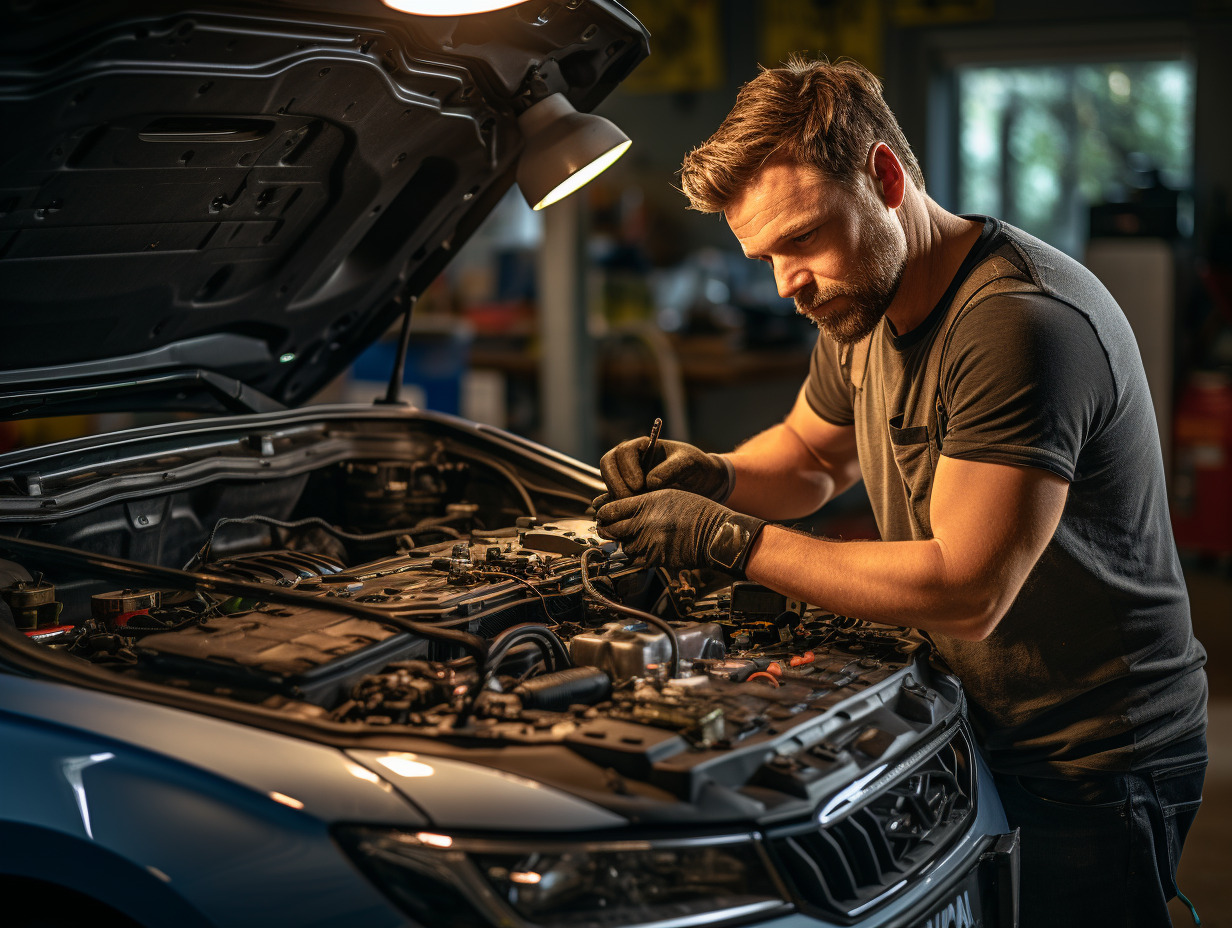
Eco-driving and regular vehicle maintenance are the pillars on which drivers can rely to reduce their carbon footprint. Driving practices significantly influence fuel consumption: gradual acceleration, anticipating stops, and maintaining a steady speed are examples of driving behaviors that contribute to reducing greenhouse gas emissions. Vehicle maintenance, including tire checks and filter replacements, can also decrease fuel consumption and, consequently, pollutant emissions.
The Crit’Air ecological sticker classifies vehicles according to their environmental impact and indicates their pollution level. This administrative tool, which can influence consumer choices, is part of a process of awareness and regulation. Holders of less polluting vehicles, identified by this sticker, can benefit from advantages such as access to low-emission zones or reduced parking fees, an incentive mechanism that encourages the transition to more environmentally friendly mobility.
The responsibility of drivers in the quest for a sustainable automobile is undeniable. By adopting less energy-intensive driving behaviors and ensuring proper maintenance of their vehicles, they actively participate in reducing fuel consumption and greenhouse gas emissions. AmbaFrance emphasizes that this civic approach complements the efforts of car manufacturers and public policies, thus forming a virtuous triptych for a more sustainable future.
Strategies for Sustainable Mobility: Between Innovation and Responsibility
Car manufacturers are at the heart of the transformation towards more environmentally friendly mobility. Under pressure from environmental standards and societal expectations, they are encouraged to integrate electric vehicles into their strategy. This transition is accompanied by a profound change in production lines, supply chains, and research and development policies. The adoption of less polluting vehicles is a major challenge for these manufacturers, who must both meet profitability imperatives and satisfy the demands of sustainable development.
The recycling of automotive parts emerges as another essential component of the sector’s ecological strategy. By extending the life of components and reducing the amount of waste produced, recycling contributes to a more prudent management of resources. This commitment to a circular economy minimizes the environmental impact of automotive production while preserving raw materials. Companies that adopt and promote these practices engage in environmental and social responsibility while meeting the growing consumer demand for eco-friendly products.
Waste reduction is a central concern in the evolution towards a sustainable automobile. Initiatives promoting the recycling and reuse of automotive parts, combined with the emergence of electric vehicles, outline the contours of an industry in full transformation. Stakeholders in the automotive sector, by embracing these challenges, are not only betting on the future; they are actively participating in building a model of mobility that respects our planet, for present and future generations.