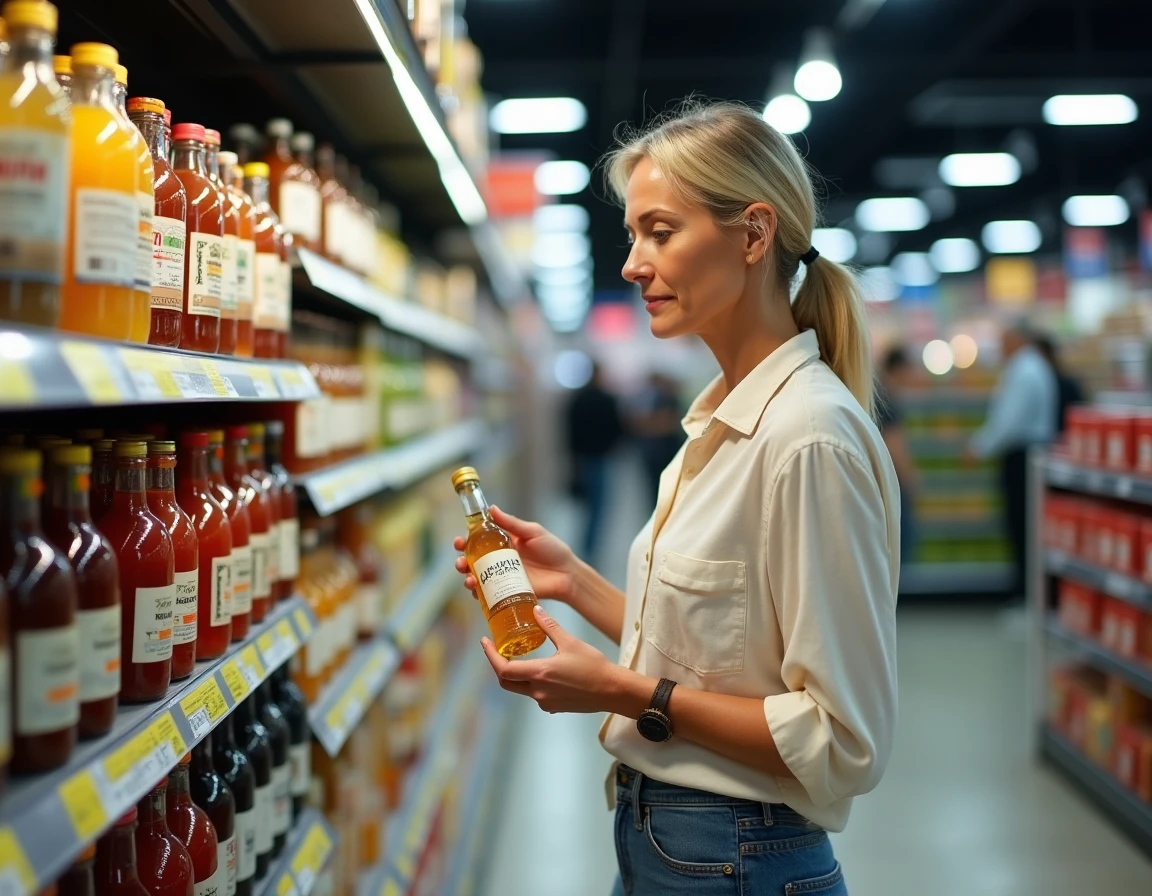
In large stores, 90° alcohol can be found in both the drugstore section and the beverage section. The problem is that these two products do not have the same legal status, and one of them is strictly prohibited for consumption. At Leclerc, the coexistence of these references in the same store creates confusion that only the label can clarify.
Modified alcohol and fruit alcohol at Leclerc: two products, two legal regimes
Leclerc sells modified 90° alcohol under the Primoplast brand, classified as a hygiene or cleaning product. This alcohol is denatured and unfit for food consumption. It contains additives (camphor, methyl ethyl ketone, or bitrex depending on the manufacturers) that make it undrinkable and potentially toxic.
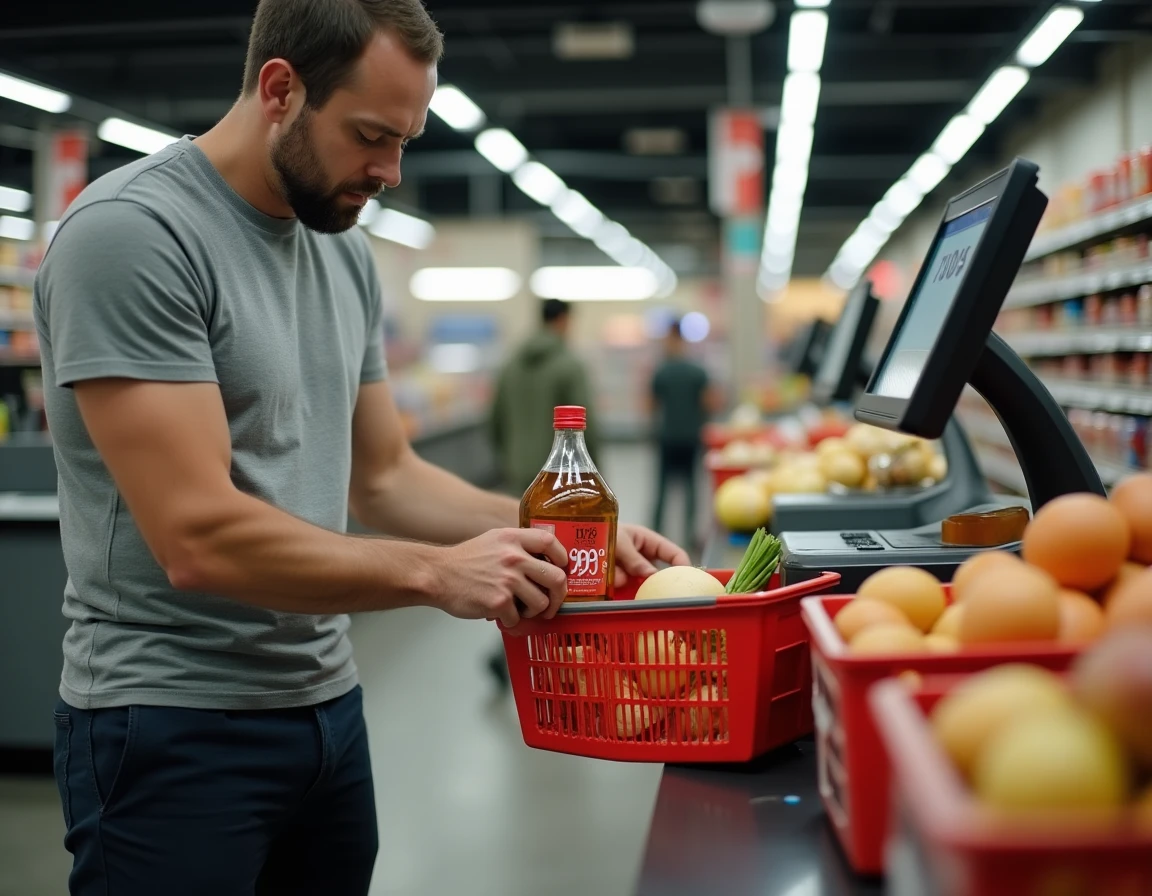
In some Leclerc stores, fruit alcohol can also be found in the beverage section. This product falls under a completely different legal framework: it is classified as an alcoholic beverage subject to regulations on spirits. Its sale is prohibited to minors, the checkout triggers an age verification, and the label states “food alcohol” or has an explicit health approval.
For those looking to buy 90° fruit alcohol at Leclerc, checking the label remains the only reliable way to distinguish these two references. If the bottle does not mention “food” or “for fruits,” it is denatured alcohol, unsuitable for maceration or liqueur.
Availability in-store: why food-grade 90° alcohol is often missing
Not all Leclerc stores stock fruit alcohol. Availability depends on each store’s policy (Leclerc operates as a cooperative, with each manager deciding on their assortment) and local demand. Stores located in rural or wine-growing areas tend to keep the product in stock, while urban hypermarkets have sometimes removed it.
Since the end of the health emergency, several prefectures have repealed orders that limited or prohibited the sale of strong alcohol in large stores. This change has reopened the possibility for brands like Leclerc to more easily stock food-grade 90° alcohol. However, stocking remains a commercial decision specific to each point of sale, and not an obligation.
The concrete result: it is sometimes necessary to call the store before going there, or to check availability on the e.leclerc website for the nearest store’s Drive. The absence of the product online does not guarantee its absence in the physical store, as some food references are not fully digitized.
Specialized online sales: the alternative when the Leclerc shelf is empty
In light of the lack of availability in large stores, producers of neutral alcohol have developed direct online sales. Nadal Alcools, for example, offers 90° fruit alcohol in bottles, with home delivery or pickup points.
This channel has a regulatory advantage: specialized distilleries control the traceability of their product and guarantee that it is indeed food alcohol, with no ambiguity in labeling. The price per liter is generally higher than in large stores, but the certainty about the nature of the product offsets this extra cost for food use.
Points to check before placing an online order
- The mention “fruit alcohol” or “food alcohol” must appear on the product sheet and on the label of the received bottle.
- The seller must verify the buyer’s age at the time of order or delivery, in accordance with regulations on alcoholic beverages in France.
- The displayed alcohol content must correspond to non-denatured alcohol: no mention of camphor, bitrex, or any other denaturing agent in the composition.
40° fruit brandy for maceration: common substitute or true compromise
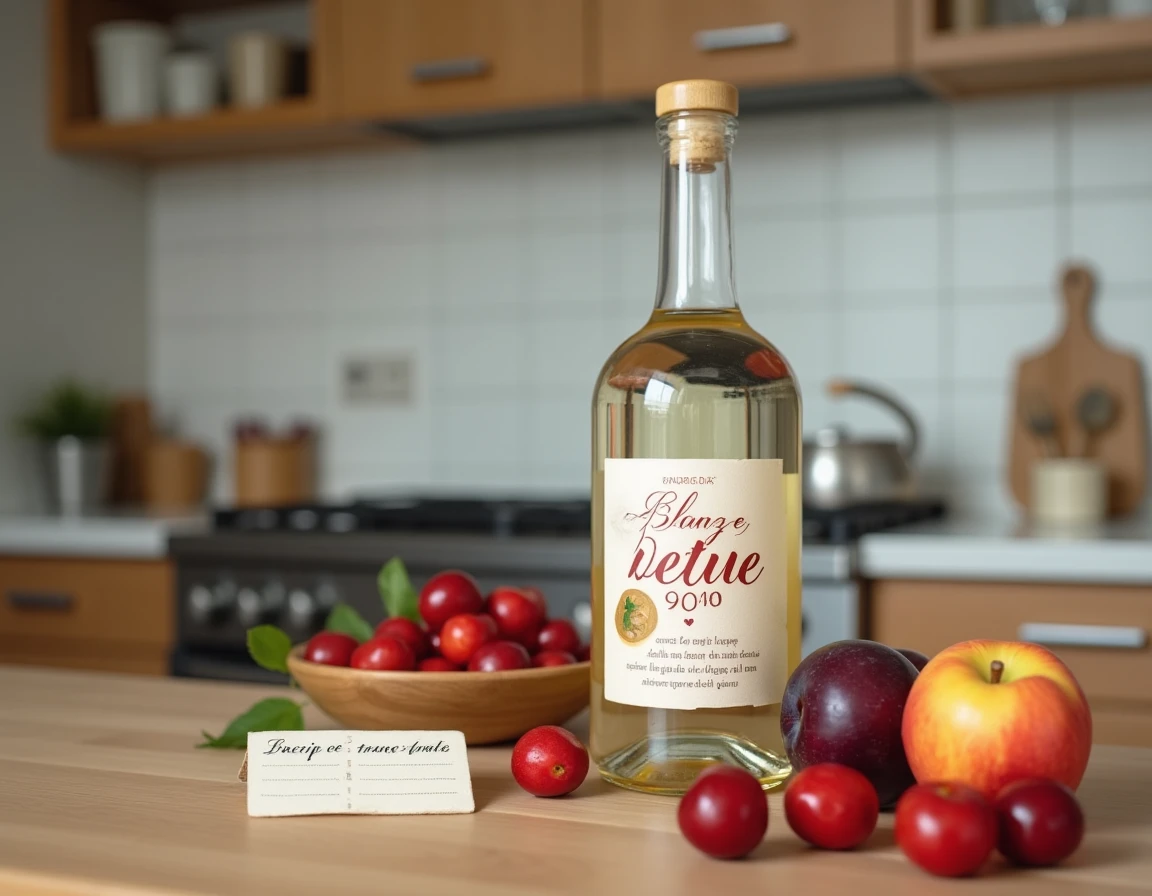
In Leclerc stores that no longer offer food-grade 90° alcohol, a common practice is to use 40° fruit brandy as a maceration base. This product, widely available in the spirits section, poses no regulatory issues and is well-suited for making homemade liqueurs.
The compromise is real but not neutral regarding the result. A 40° alcohol extracts flavors from fruits less effectively than a 90° alcohol, and the maceration time must be significantly extended to achieve a comparable intensity. The texture and concentration of the finished product also differ: a liqueur based on fruit brandy will be less dense and smoother in the mouth.
For certain preparations (brandy cherries, red fruits), the result at 40° remains quite satisfactory. For liqueurs requiring a strong extraction (walnuts, gentian, citrus peels), food-grade 90° alcohol yields a result that is difficult to replicate at 40°.
Selection criteria based on the type of maceration
- Soft and juicy fruits (raspberries, strawberries, cherries): a 40° brandy is sufficient, with a maceration time of a few weeks.
- Dry fruits, peels, or plants (green walnuts, gentian, orange zest): food-grade 90° alcohol offers a significantly more effective extraction and a more concentrated aromatic yield.
- Sweet blends like “fruit wine”: an intermediate alcohol or brandy is suitable, with the added sugar partially compensating for the lower extraction.
The legality of the purchase never depends on the chosen alcohol content, but exclusively on the food nature of the product. Whether opting for 40° or 90°, only the mention “food” or “for fruits” on the label allows for use in cooking or maceration. A drugstore bottle remains a drugstore bottle, regardless of the culinary project envisioned.