
Giving a tree for a housewarming is to associate a living gift with a foundational moment. The tree grows with the home, marks the land, and reminds each season of the moving day. However, it is essential to choose a species suitable for the climate, the available space, and the level of maintenance that the new occupants can manage.
To know which plant to offer according to Chic Intemporel, the determining criterion remains the adult size of the tree in relation to the surface area of the garden or balcony. Here are ten concrete species, each suited to a housing profile and a particular intention.
1. Dwarf Olive Tree in Pot for Urban Balcony
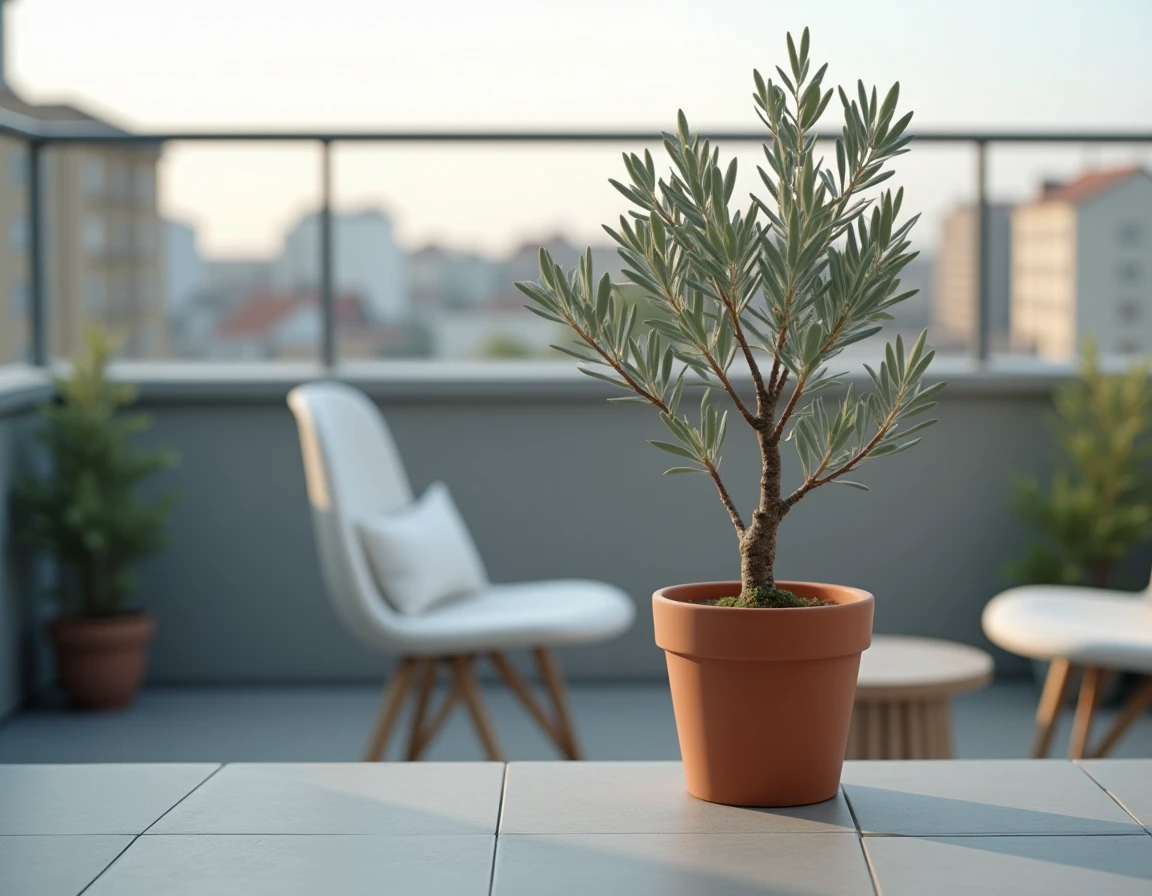
The dwarf olive tree is one of the columnar trees suitable for small spaces. Its compact silhouette is ideal for terraces of a few square meters, and it tolerates the heat reflected by walls in summer.
It requires well-draining soil and moderate watering. In winter, a protective cover is sufficient in most regions south of the Loire. For homes in the north, wintering in a cool indoor space is preferable.
2. Compact Japanese Maple for a Touch of Autumn Color
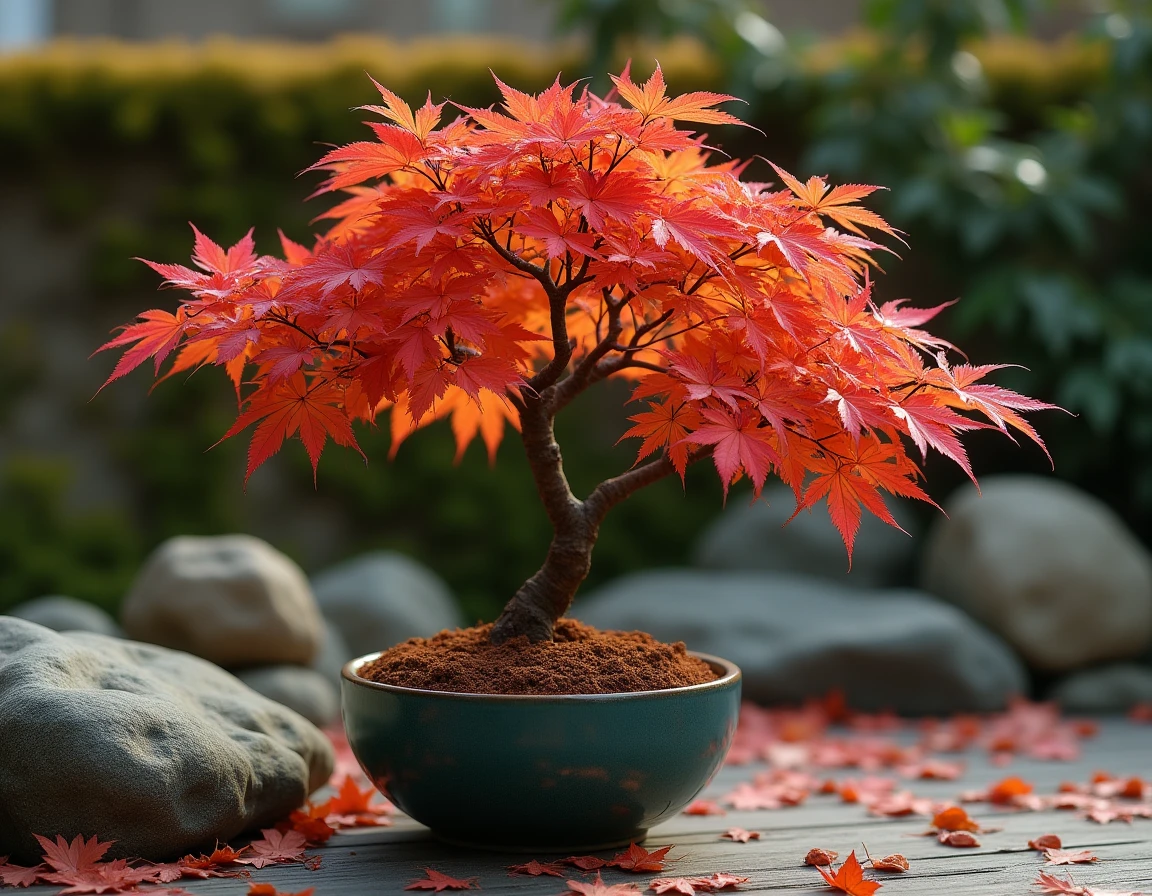
The compact variety of Japanese maple (Acer palmatum ‘Dissectum’) offers finely cut foliage that turns bright red in autumn. It is purely an ornamental tree, without fruit, that structures a corner of the garden or a large container on a terrace.
It prefers partial shade and acidic to neutral soil. The only point of caution: it is sensitive to strong winds and prolonged full sun in summer, making it more suitable for a sheltered garden than an exposed facade.
3. Citrus Tree on a Stem for Harvest Enthusiasts on the Balcony
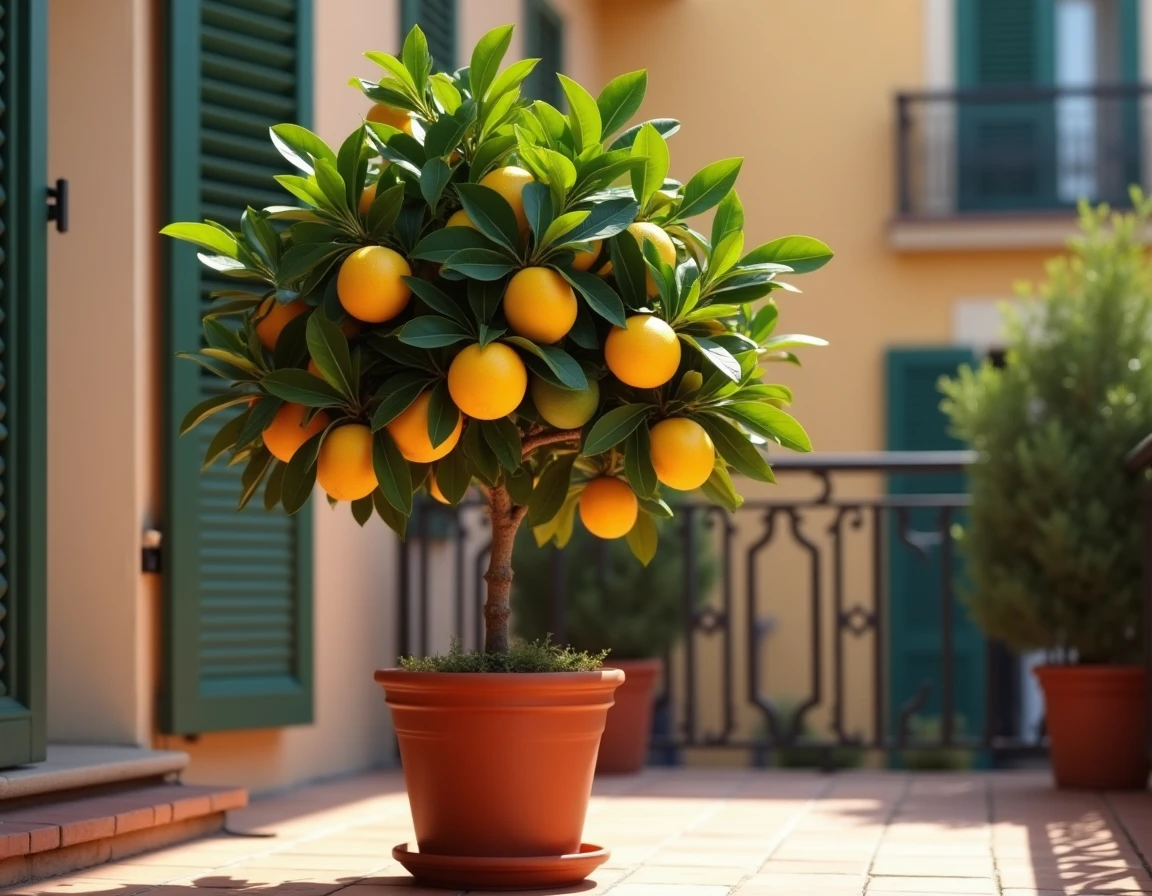
Lemon tree, kumquat, or calamondin: citrus trees on a stem combine the aesthetics of a small tree with the pleasure of picking some fruit. The kumquat can be eaten with its skin, which appeals to curious cooks.
A citrus tree on a stem produces from the first year if the plant is already grafted and two or three years old. The main constraint is the cold: below a few degrees below zero, the pot needs to be brought inside.
4. Young Oak Seedling for a Large Garden
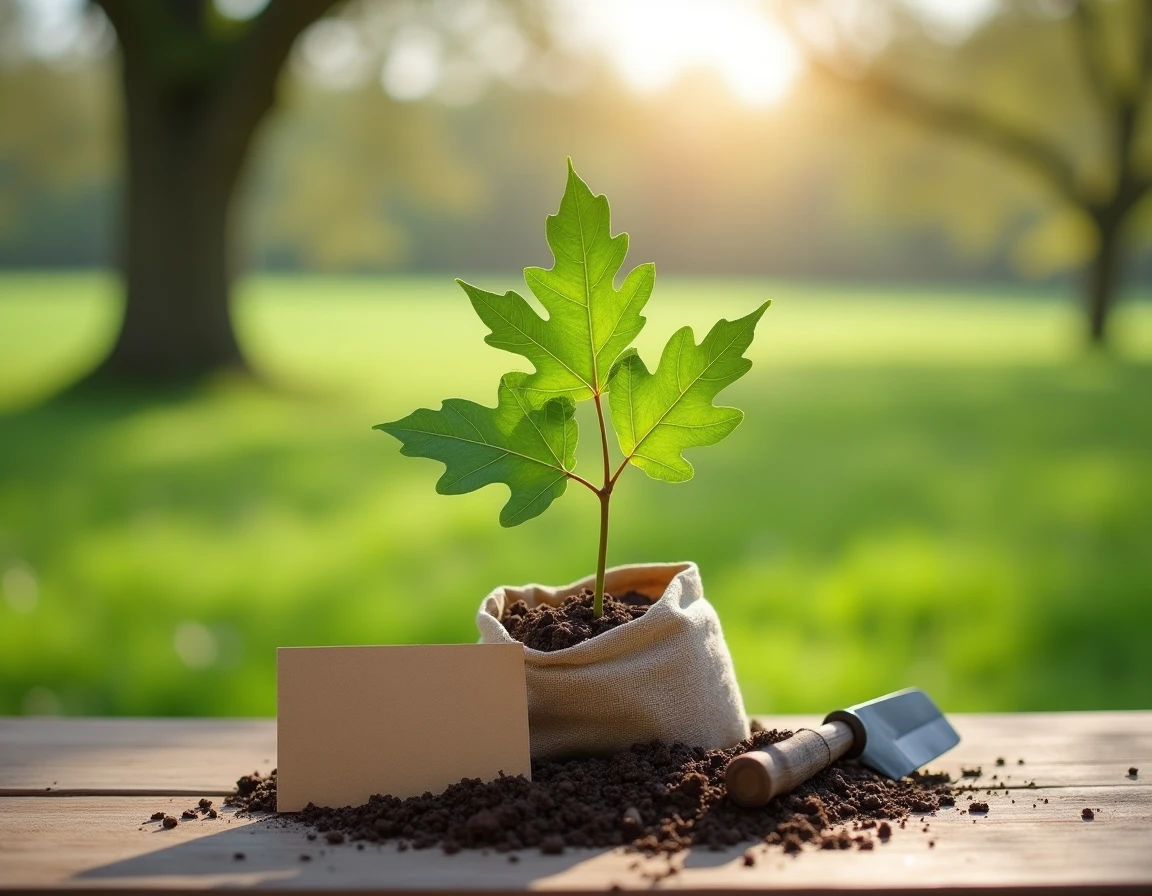
The oak is the quintessential tree when the land allows it. Giving an oak is betting on several generations: its growth is slow, but its longevity far exceeds that of the house.
Local nurseries offer indigenous species adapted to the regional climate, which avoids acclimatization issues. A sessile oak will be better suited to dry soil than a pedunculate oak, which prefers deep, moist lands.
5. Small-Leaved Lime Tree to Scent the Garden
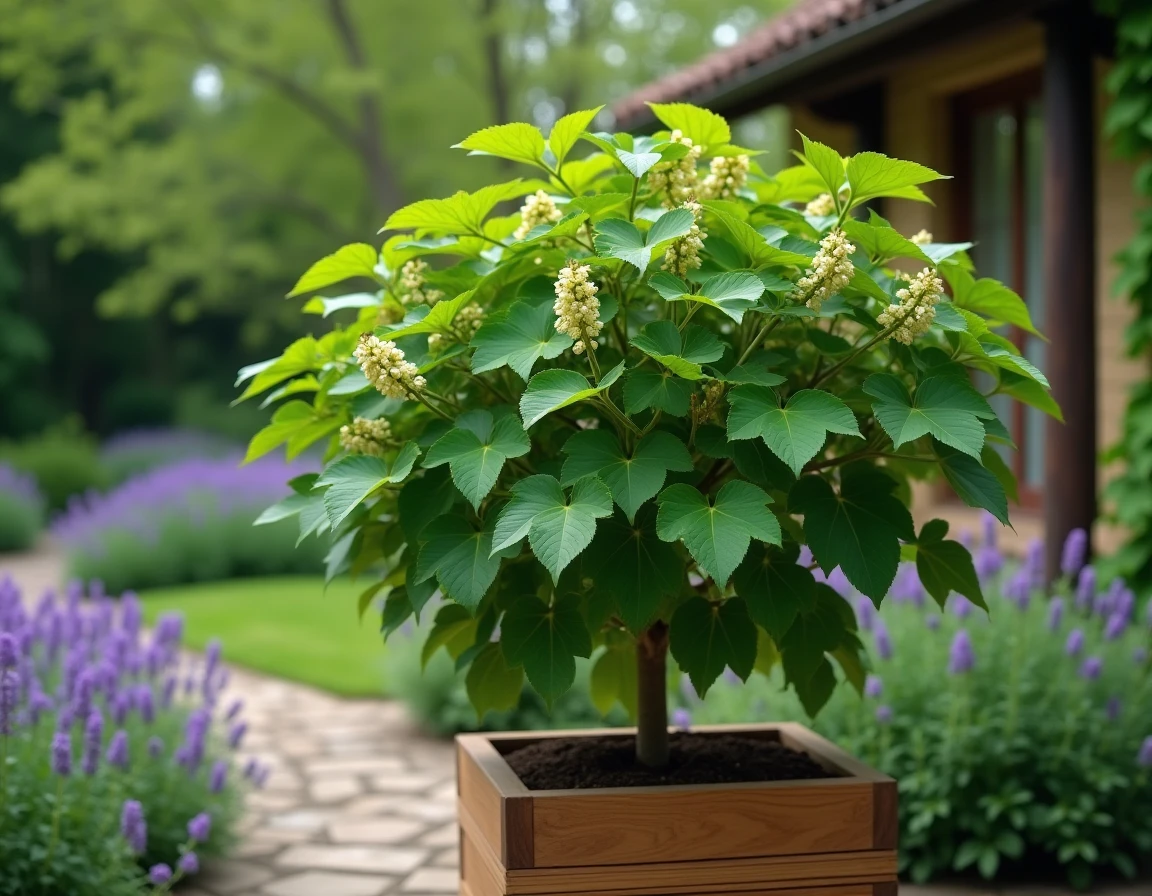
The small-leaved lime tree (Tilia cordata) blooms in June and fills the garden with fragrance. Its flowers are harvested to prepare herbal teas, adding a practical use to the gift.
Its adult size can reach considerable dimensions. Therefore, it is essential to check that the land offers enough distance from the foundations and pipes before planting. This is not a tree for a small garden.
6. Fig Tree for a Gourmet Mediterranean Gift
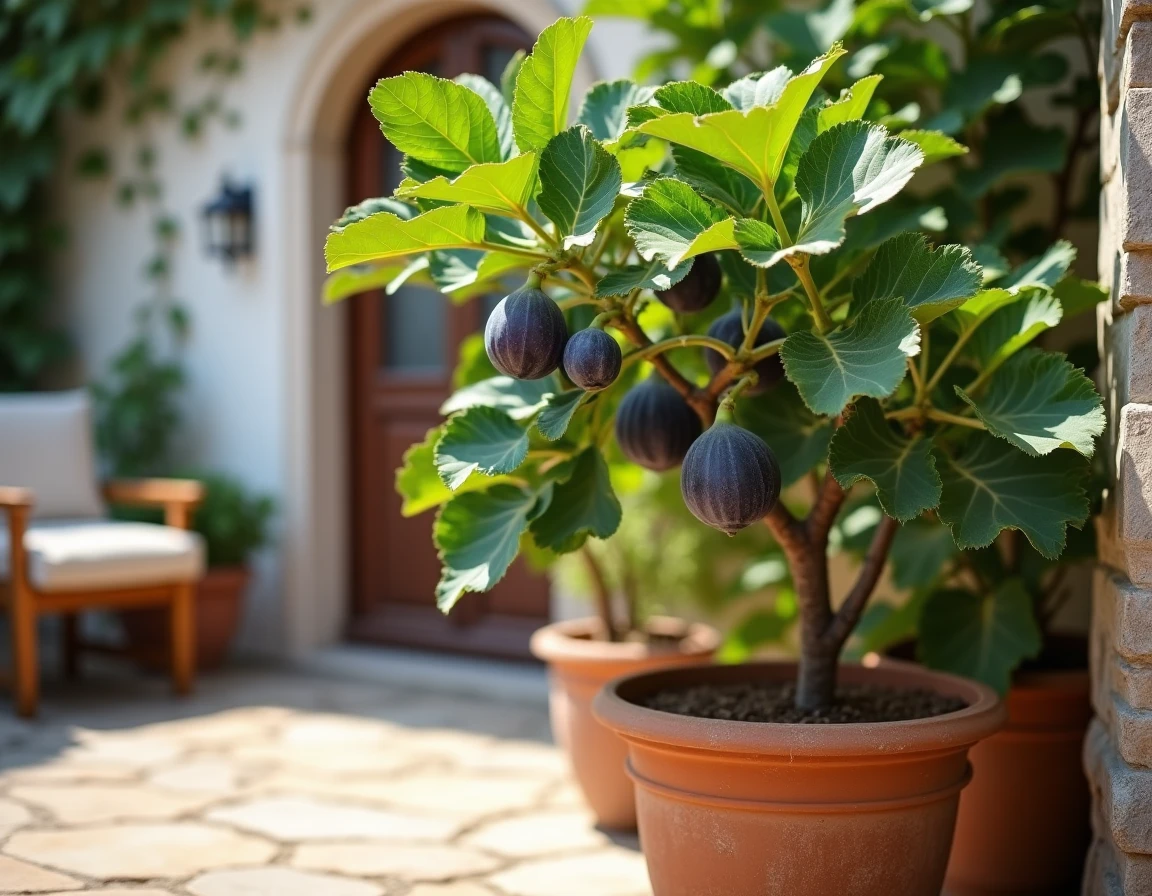
The fig tree grows quickly, produces delicious fruits, and adapts to poor soils. Its hardiness often surprises: some varieties tolerate moderate frost if the base is mulched.
For a housewarming, choosing a bifera variety (two harvests per year) offers more satisfaction to the new owners. ‘Dauphine’ or ‘Ronde de Bordeaux’ are two reliable choices in the French temperate climate.
7. Old Apple Tree in Local Variety
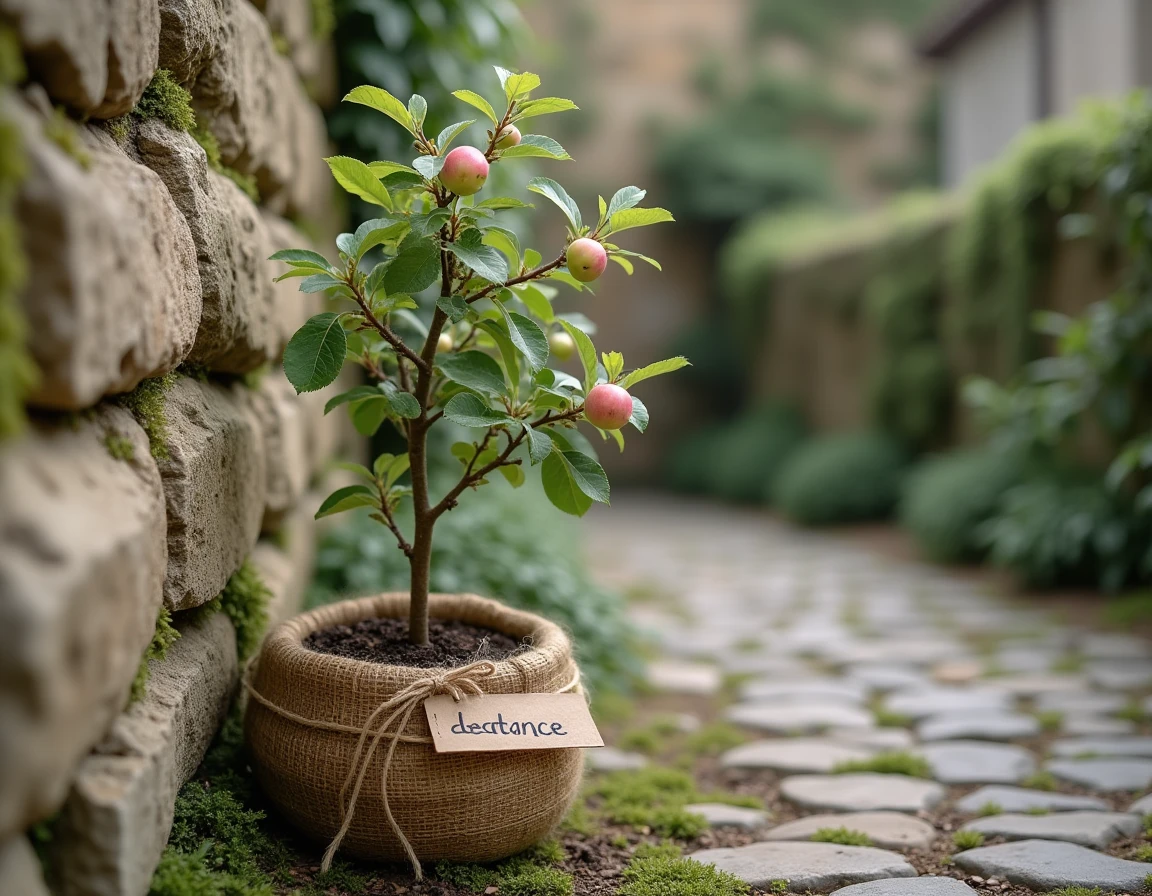
Giving an old regional variety apple tree is a gift with a double meaning: productive and heritage. A ‘Reinette d’Armorique’ in Brittany or a ‘Belle de Boskoop’ in the North anchors the tree in the terroir of the new home.
Cross-pollination remains a parameter to check. An isolated apple tree produces little without a second pollinator nearby. Inquire about the trees already present in the neighborhood before choosing the variety.
8. Star Magnolia for an Urban Garden
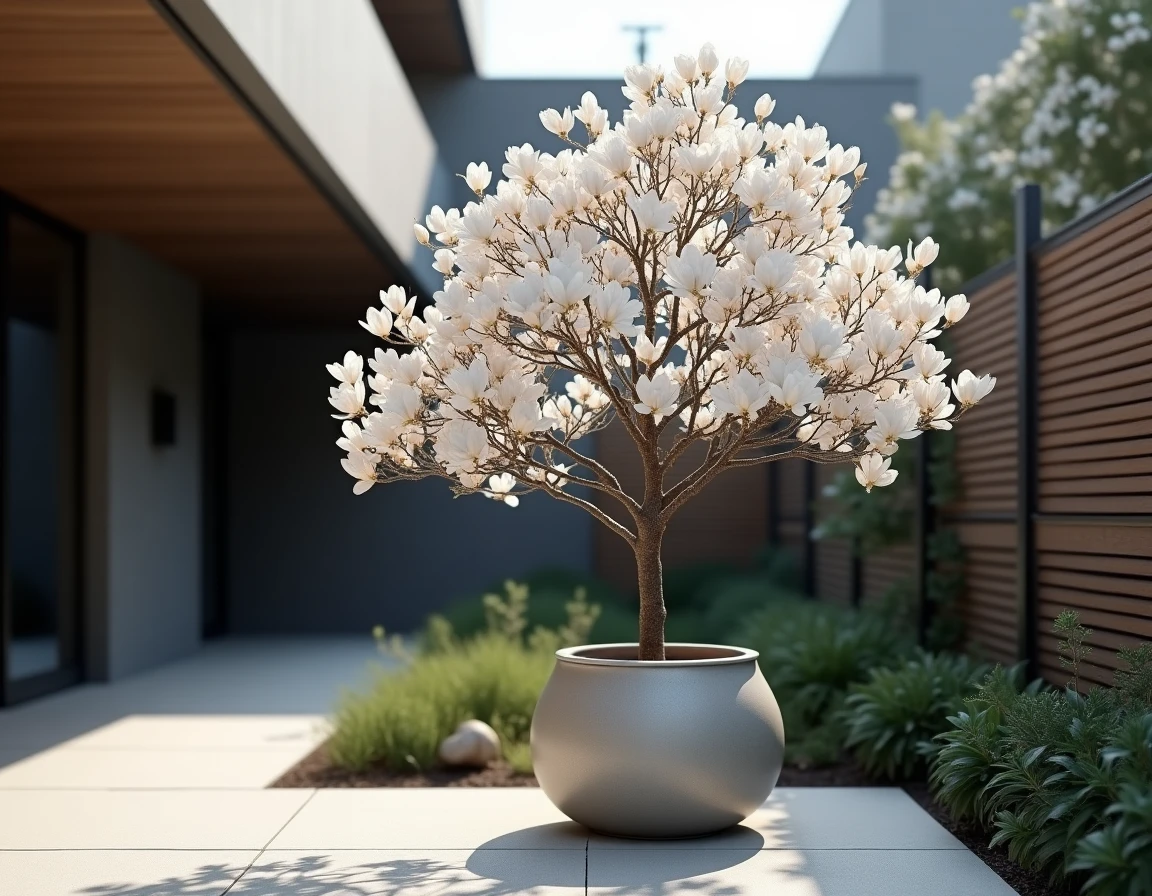
The star magnolia (Magnolia stellata) remains compact, rarely exceeding three to four meters. Its white and fragrant blooms occur early in spring, often before the leaves appear.
It accepts neutral to acidic soils and partial shade. It is one of the few ornamental trees that works in a small urban garden without requiring restrictive pruning. A gift that demands little from the recipients and offers them a lot visually.
9. Flowering Cherry for a Spring Spectacle
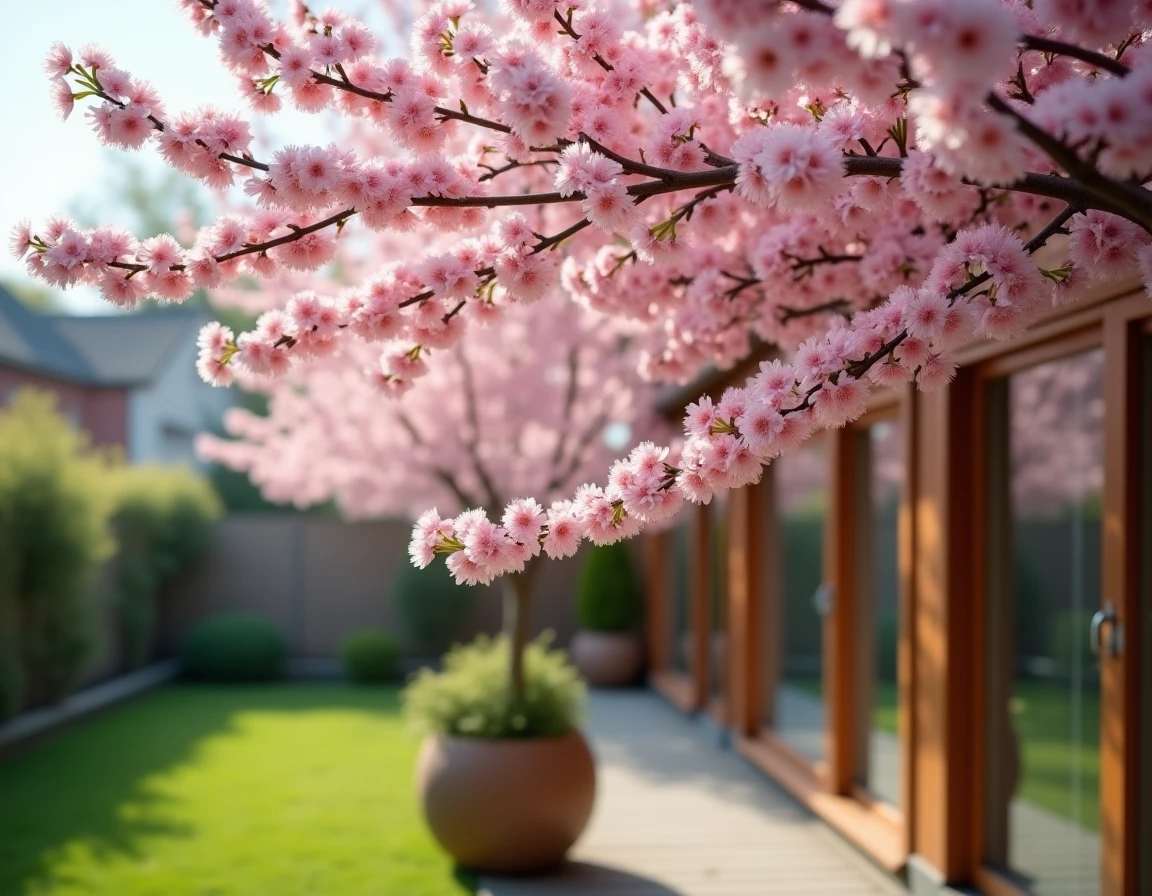
The flowering cherry (Prunus serrulata) does not produce edible cherries, but its spectacular pink bloom lasts one to two weeks in spring. The visual effect is immediate, even on a young specimen.
It adapts to most soils and withstands cold well. The only downside: its lifespan is shorter than that of an oak or a lime tree. Expect a few decades of generous blooms before any potential decline.
10. Hazelnut Tree for a Productive and Easy Gift
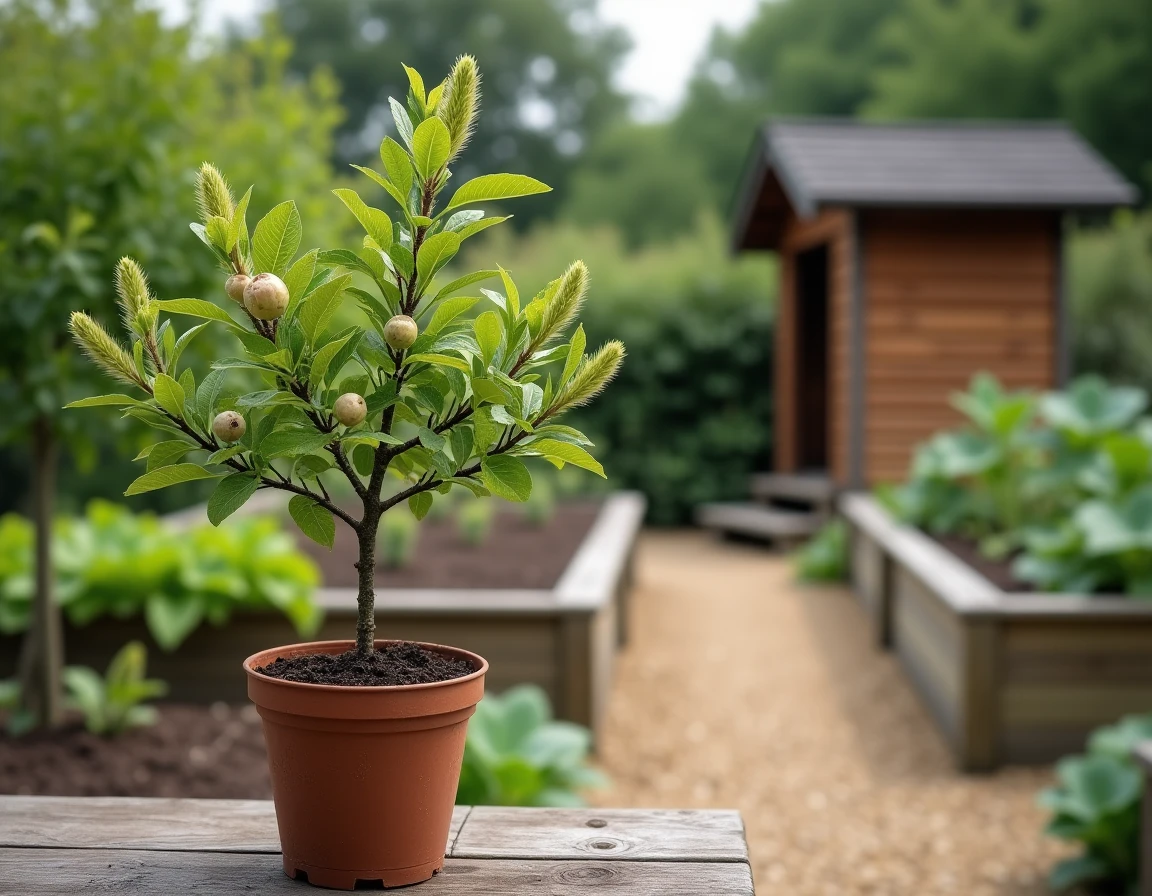
The hazelnut tree is the most tolerant tree in this selection. It grows in almost all soils, withstands cold, partial shade, and requires very little maintenance. The harvest of hazelnuts in autumn is a valuable bonus.
Like the apple tree, it benefits from being planted in pairs to ensure good pollination. Two hazelnut trees of different varieties offered together form a coherent and generous gift, accessible to all budgets.
The choice of a tree for a housewarming primarily depends on the outdoor area of the home and the local climate. A dwarf olive tree or a citrus tree on a stem is suitable for an apartment with a balcony. An oak or a lime tree is intended for a spacious plot. In any case, prioritizing a species from a local nursery and adapted to the region remains the best reflex for the tree to take root sustainably.