Transforming an interior doesn’t always start with a purchase. Before choosing a fabric or a color, the question revolves around what we measure: the relationship between the effort invested (time, budget, complexity) and the actual visual impact on the space. Some interventions radically change the atmosphere of a room for just a few dozen euros, while others require a significant budget without changing much in the perception of the place. It’s this gap that deserves analysis.
Visual impact by type of decor intervention: comparison table
Not all interior decoration actions are equal in terms of perceived results. The table below ranks the most common interventions according to their relative cost and their ability to modify the ambiance of a room.
| Intervention | Relative Cost | Impact on Ambiance | Implementation Complexity |
|---|---|---|---|
| Rearranging existing furniture | None | High | Low |
| Customized wall composition (frames, mirrors, objects) | Low to moderate | High | Medium |
| Changing the color of an accent wall | Low | High | Medium |
| Adding light points (table lamps, string lights) | Low to moderate | Moderate to high | Low |
| Replacing the main sofa | High | Moderate | Low |
| Installing new flooring | High | High | High |
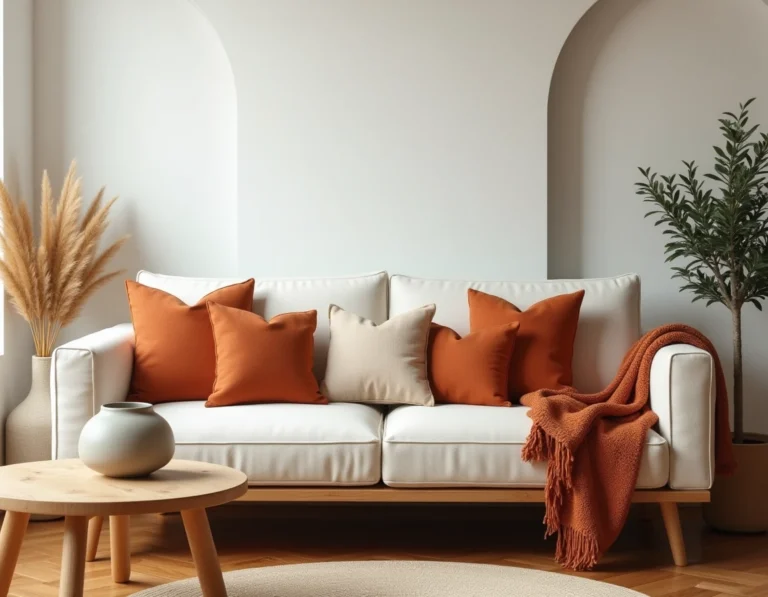
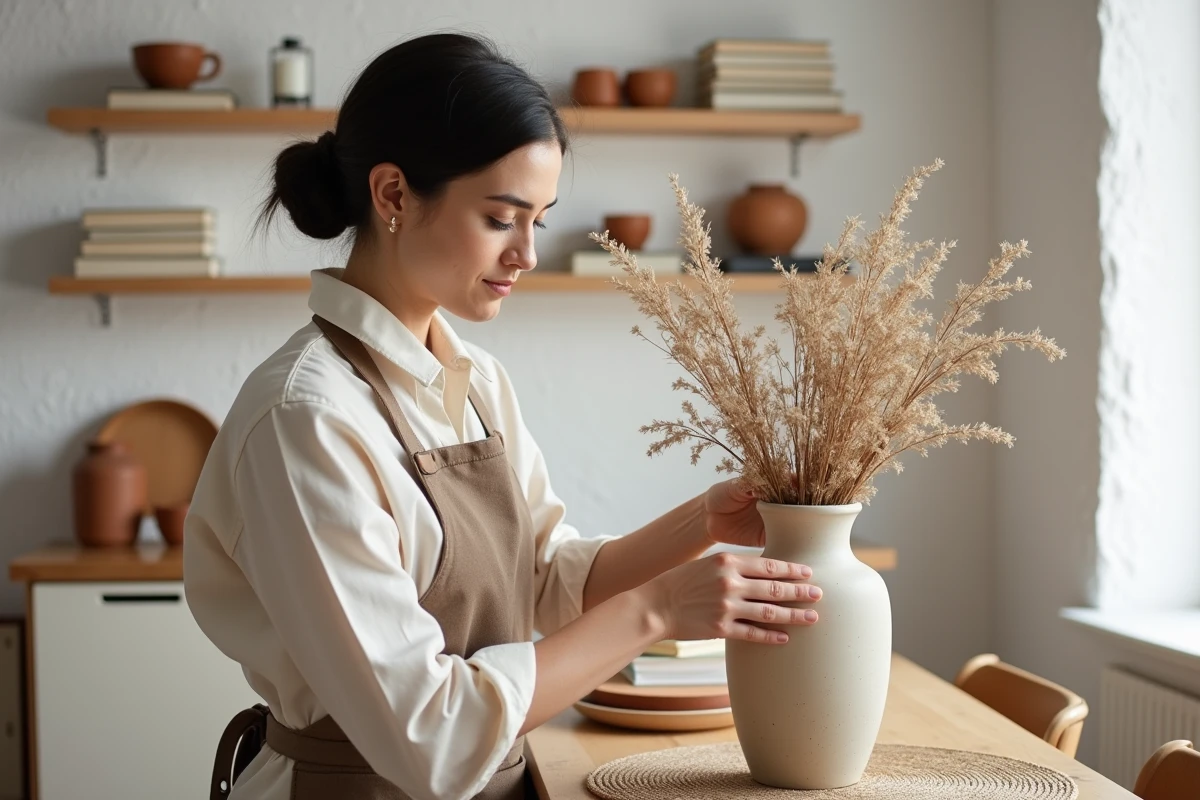
| Buying coordinated accessories (cushions, vases, candles) | Low | Low to moderate | Low |
The conclusion is clear: rearranging your furniture remains the action with the best effort-result ratio. Moving a sofa, clearing a passage, or orienting a seat towards natural light transforms the flow and perception of space, without any budget. In contrast, replacing a sofa is expensive for often moderate visual impact if the rest of the room doesn’t change.
To delve deeper into this type of analysis room by room, the home section of Ei Mag regularly details concrete approaches to layout and decoration.

Wall composition and wall art: the most underestimated creative intervention
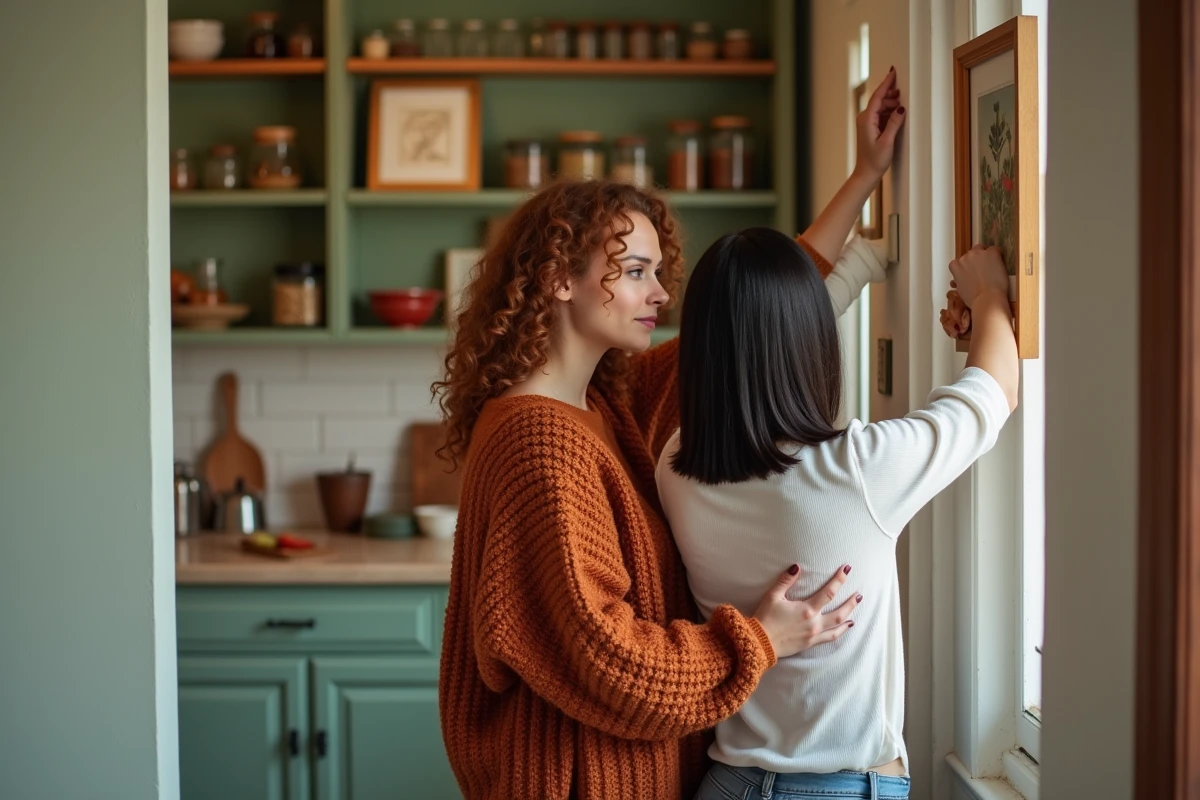
The most noticeable trend observed in recent months concerns wall personalization. The most unique interiors rely on unique wall compositions that mix frames, mirrors, objects, and reclaimed materials. This narrative approach, far from standardized decorative sets, tells a story unique to the place and its inhabitants.
The principle is simple: assemble elements of different sizes, textures, and origins on the same wall. A vintage mirror, a piece of driftwood, three mismatched frames, and a small shelf are enough to create an installation that draws the eye.
Why this approach works better than a set of coordinated accessories
A set of matching cushions and vases produces an immediately identifiable “catalog” effect. The wall composition, on the other hand, introduces asymmetry and narrative into a space. The brain perceives this irregularity as more lively, more inhabited.
The cost difference is significant: a set of coordinated accessories often costs more than a composition made from reclaimed, repurposed, or upcycled objects. The visual result clearly leans in favor of the customized composition.
AI applications for interior decoration: test before touching a piece of furniture
Recently, applications like Home Style AI or Home Planner AI allow you to photograph a room and receive several realistic makeover proposals in seconds. Changing wall color, virtually replacing furniture, testing different styles: everything is done on-screen, without moving a single object.
These tools, often available in freemium models, change the way we plan an interior decoration project. Testing a style on a photo before buying reduces costly mistakes. Some of these applications even include project tracking, allowing you to note your choices, compare variations, and plan purchases step by step.
What AI concretely changes in a layout project
The main interest is not to delegate aesthetic choice to an algorithm. It’s to visualize the impact of an intervention before executing it, which directly relates to the comparison table above. Painting an accent wall in navy blue or terracotta does not produce the same effect depending on the natural light in the room. Simulating these options on a real photo of your living room eliminates uncertainty.
However, these applications show their limits with textures and natural materials. Solid oak flooring or lime plaster does not render faithfully on screen. For these choices, a physical sample remains essential.
Colors and light in a living room: the two levers that interact the most
Many decoration articles treat colors and lighting as two separate subjects. In practice, these two parameters function as a system. A wall painted in sage green appears gray under cold LED lighting and deeply botanical under a warm filament lamp.
Three concrete principles to exploit this interaction:
- Multiplying light sources at different heights (floor lamp, wall sconce, table lamp) creates areas of shadow and light that give relief to the room, even if it’s small.
- Test the chosen color under the actual lighting of the space, both during the day and in the evening, before painting the entire wall. A paint sample placed on the floor is not enough: it needs to be fixed to the wall at eye level.
- Combine warm shades (terracotta, ochre, mustard) with indirect lighting and cool shades (blue, gray-green) with direct and clear light to enhance their respective character.
Lighting alters the perceived color as much as the color itself. Investing in two or three well-placed accent lamps often produces a more spectacular effect than a complete furniture change.
Personalization of space: the criterion that separates a generic interior from a lived-in place
The most successful interiors share a common point: they contain objects that cannot be found in a catalog. A personal collection displayed on a shelf, a vintage piece of furniture that has been refurbished, a textile brought back from a trip. These elements do not need to be expensive.
The approach of upcycling (transforming an existing object rather than buying a new one) fits into this logic. Personalizing a basic piece of furniture with a new top, a different handle, or partial painting makes it unique without requiring advanced DIY skills.
The gap between a “decorated” interior and a “lived-in” interior is less about budget and more about the degree of personal intervention. The table at the beginning of this article confirms this: actions with no or low cost (rearranging, wall compositions, repurposing objects) often produce the strongest visual impact, provided time and attention are devoted to them rather than money.