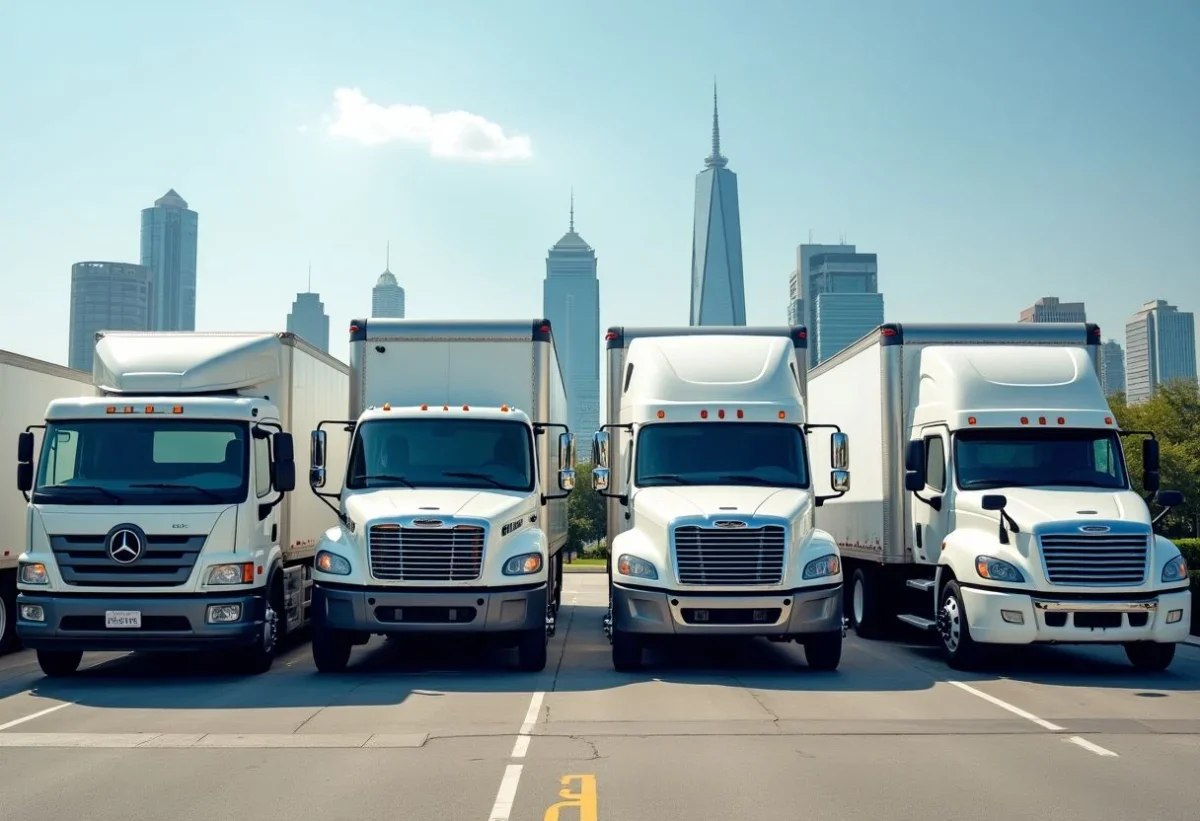
Fleet management represents a major challenge for modern businesses, a challenge that directly impacts their efficiency, profitability, and environmental footprint. This strategic activity involves overseeing and managing a fleet of vehicles in order to maximize their utilization while minimizing costs.
The Fundamentals of Fleet Management
To fully grasp the essence of fleet management, it is essential to understand its basic components as well as the responsibilities that fall on managers.
- Planning and Organization: Route planning and schedule management are at the heart of fleet management. The goal is to reduce travel time and optimize fuel consumption.
- Preventive Maintenance: Rigorous tracking of maintenance helps extend the lifespan of vehicles and avoid costly breakdowns.
- Performance Tracking: Using key performance indicators is crucial for assessing the efficiency of fleet operations.
- Road Safety: Raising driver awareness about safety is a priority to prevent accidents and reduce risks.
Technologies and Innovations in Fleet Management
Technological innovations are profoundly transforming fleet management, bringing powerful tools that enhance operational efficiency and safety.
The development of fleet management software has revolutionized this sector. These platforms allow for real-time tracking of vehicles, driver performance, and vehicle maintenance. Furthermore, geolocation systems provide complete transparency on the routes taken, thereby facilitating route optimization and improving delivery times. Sensors and Internet of Things (IoT) technologies also contribute to predictive maintenance, thus reducing vehicle downtime.
Environmental Impact and Sustainability
In an era where the fight against climate change has become a global imperative, fleet management must also integrate sustainable and environmentally friendly practices.
The transition to greener vehicles is a major trend. Many companies are investing in electric or hybrid fleets to reduce their CO2 emissions.
Additionally, eco-friendly driving is encouraged through training programs that help drivers adopt less polluting behaviors. Route optimization, through sophisticated software, also plays a role in reducing the carbon footprint of fleets.
By introducing the concept of fleet management, companies commit to enhancing their environmental responsibility while pursuing ambitious economic goals.
Challenges and Future Perspectives
The field of fleet management is not without its challenges, and anticipating the future is essential to remain competitive.
- Cybersecurity is a growing concern. With the digitization of processes, fleets are increasingly vulnerable to cyberattacks.
- The shortage of qualified drivers complicates companies’ ability to maintain smooth operations.
- The evolution of environmental legislation imposes additional constraints on fleet managers.
- Finally, the emergence of new technologies, such as autonomous vehicles, promises to disrupt the industry in the coming years.