Summer is approaching, and with it, the invasion of flying insects in our homes. Gnats, mosquitoes, flies—these little pests can quickly become a daily nightmare. Not only are they annoying, but they can also carry diseases. You need to find solutions to eliminate these flying insects from your living space. Whether you are looking for natural methods or more conventional means, the options are numerous. Let’s review some of the most effective methods to rid your home of these nuisances.
Flying insects: a common problem in your home
Flying insects are a common issue in our households. An invasion of gnats on the ceiling can quickly turn our haven of peace into a real war zone. These little nuisances multiply rapidly and can be extremely persistent, making their elimination difficult.
You need to identify the different species of flying insects in order to better understand their habits and adopt specific strategies to combat them. Gnats, for example, are attracted to decaying food and moisture. Mosquitoes thrive in areas with stagnant water, while flies prefer to land on food and cause contamination.
Beyond the inconvenience they cause, the presence of flying insects in our homes can also pose health risks. They can transmit diseases such as dengue, malaria, or salmonella. It is therefore imperative to take measures to prevent their spread.
If you are looking for natural methods to eliminate these unwanted guests, there are some effective alternatives that do not require the use of harsh chemicals. For example, you can use homemade fly traps with vinegar or honey as attractive baits.
If you prefer a quicker and more radical solution to this unbearably invasive infestation, certain chemicals specifically designed to eliminate flying insects may be the best option. Just make sure to carefully follow the usage instructions and take the necessary precautions to protect your health and that of your family.
The best way to avoid a future invasion is to take preventive measures. Keep your home clean and tidy, ensuring that you do not leave exposed food or uncovered waste lying around.
Identifying harmful species of flying insects
Identifying the different harmful species of flying insects is essential for implementing an effective strategy to combat these unwanted pests. Among the most common are the housefly (Musca domestica), the common mosquito (Culex pipiens), and the drain gnat (Psychoda alternata).
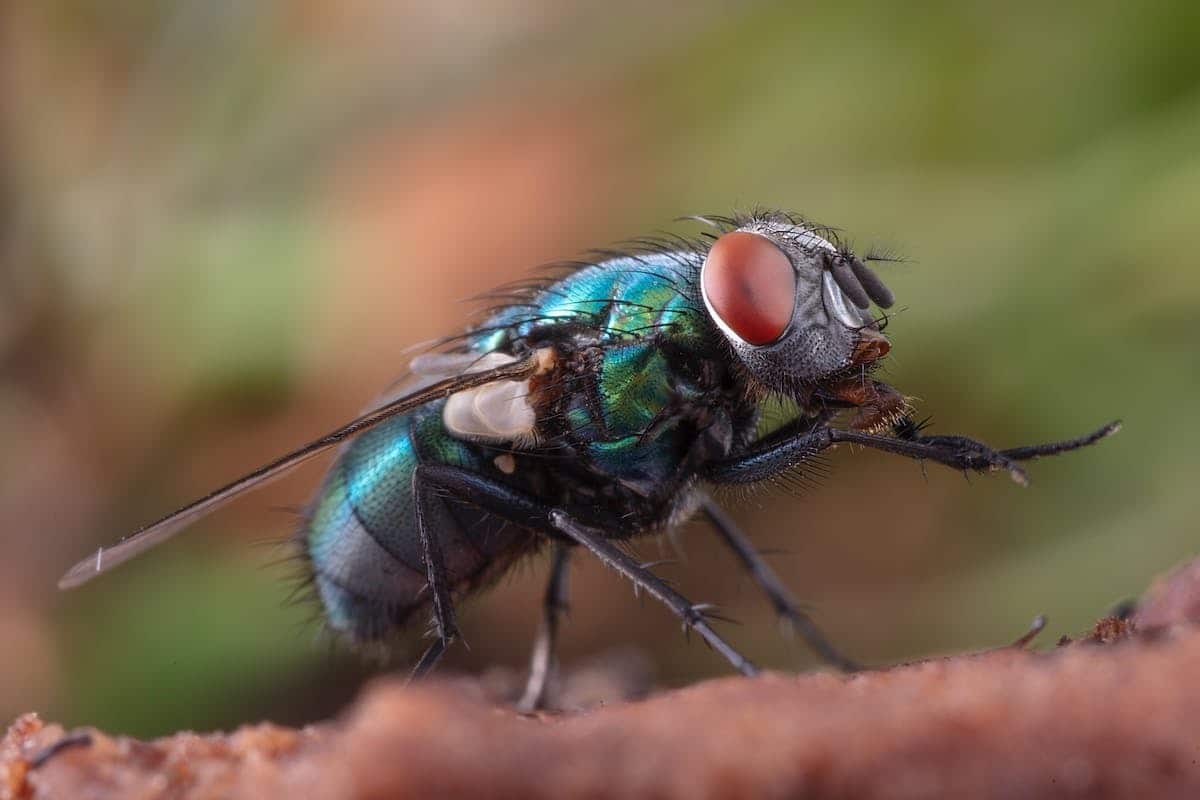
The housefly is recognizable by its gray-yellow body, red eyes, and translucent wings. It reproduces rapidly in decaying organic matter such as feces, garbage, or uncovered food. Houseflies can lay up to 150 eggs at a time, which explains their rapid proliferation.
The common mosquito is a tiny but particularly annoying insect. Recognizable by its slender, elongated silhouette and its unbearable buzzing when it flies near our ears, it primarily develops in stagnant water such as swamps or puddles after rain. Females need blood to lay their eggs, which explains why they bite us so often.
The drain gnat is a small black insect that likes to settle in our poorly maintained pipes and drainage systems. It usually manifests as swirling clouds above sinks or toilets when we use hot water or when we drain our wastewater.
Once identified, it is crucial to address the underlying causes in our environment to eliminate these harmful flying insects. It is recommended to maintain impeccable hygiene by regularly cleaning sensitive areas such as the kitchen and bathrooms. Ensuring that food is well covered and regularly emptying trash cans also helps reduce their attractiveness.
To eradicate these nuisances, various solutions are possible. Setting up specific traps for each species can be effective in capturing a large number of flying insects quickly. Using natural repellents such as citronella essential oil or lavender can also deter their presence.
If the infestation is too significant, calling in professionals specialized in pest control may be necessary. They will be able to accurately identify the offending species and apply appropriate treatments to permanently rid you of these unwanted pests.
Identifying the different harmful species of flying insects invading our homes is crucial for implementing targeted and effective control against them. By adopting simple yet rigorous preventive measures while combining various appropriate eradication methods, we can regain a healthy and peaceful environment within our homes.
Risks associated with the presence of flying insects in the home
Beyond the disturbing and unpleasant aspect, the presence of flying insects in your home carries certain risks for your health and that of your loved ones. Indeed, these small creatures can be carriers of various diseases and infections.
Houseflies, for example, frequently land on feces or decaying food before settling on surfaces we touch daily. They can thus carry pathogenic bacteria such as Escherichia coli or Salmonella, responsible for severe food poisoning.
mosquitoes are also vectors of dangerous diseases. The most well-known is malaria, a parasitic infection transmitted by the bite of an infected female Anopheles. Other diseases carried by mosquitoes include dengue, West Nile virus, and chikungunya. These conditions can lead to severe symptoms such as high fever, intense joint pain, and neurological complications.
As for the drain gnats, they proliferate in an environment rich in decaying organic matter such as unsanitary pipes or damp areas conducive to their development. They can contaminate our food when they land on it after feeding in our toilets or other similar unsanitary areas.
Beyond the direct health risks associated with flying insects themselves, you must also mention the allergic problems they can cause. People sensitive to insect bites may develop severe skin reactions such as intense itching, redness, and even swelling. These allergies can be particularly dangerous for individuals already predisposed or with a weakened immune system.
It is therefore essential to take the presence of flying insects in your home seriously and to implement an effective strategy to eliminate them. By acting quickly and adopting a comprehensive approach that combines prevention, rigorous hygiene, and the use of suitable methods, you can protect your home from these potentially harmful nuisances.
Remember that the health safety of your family is in your hands. Stay vigilant against the appearance of flying insects in your home and do not hesitate to seek help from qualified professionals if necessary. A healthy environment promotes overall well-being and contributes to maintaining an optimal quality of life for all household members.
Natural methods to eliminate these flying insects
In your quest to eliminate flying insects naturally, there are several methods to try. Here are some simple and effective tips that will help you maintain a healthy environment free from these nuisances.
Start by maintaining impeccable cleanliness in your home. Regularly dispose of food waste, keep your surfaces clean, and store food in airtight containers. Flying insects are attracted to food scraps or exposed food, so by limiting their access to these, you will significantly reduce their presence.
Use natural remedies such as repellent essential oils. Certain types of flying insects like gnats can be kept at bay using essential oils such as citronella or peppermint oil. You can dilute a few drops in water and then spray this solution around areas where you have noticed increased flying insect activity.
Another lesser-known method is to use certain types of plants to repel these unwanted pests. For example, wisely using aromatic herbs like basil or rosemary can effectively repel certain flying insects due to their strong and penetrating scents.
If despite all your rigorous precautions these little intruders continue to invade your home, do not hesitate to call in licensed pest control professionals. They have the expertise needed to identify the source of the problem and implement a tailored action plan for your specific situation.
Eliminating flying insects naturally is possible with a few simple yet effective tips. By adopting good hygiene practices, using natural remedies, and seeking professional services if necessary, you can maintain a healthy environment free from these annoying pests. Stay vigilant and persist in your efforts: your home will soon be free from any unwanted intrusion.
Note: For a more exhaustive list of natural methods to repel or eliminate flying insects, I invite you to consult our article on our website specializing in domestic pest control.
Chemical products effective against flying insects
In some cases, it may be necessary to resort to chemical products to effectively and quickly get rid of flying insects. You must take certain precautions when using them to minimize risks to human health and the environment.
One of the most commonly used chemical products is deltamethrin, a powerful insecticide that works by contact or ingestion. It provides excellent protection against mosquitoes, gnats, and other flying insects while being relatively safe for use in homes. Simply apply this product to surfaces where you have observed flying insect activity, such as windows, doors, and sills, and renew the application according to the frequency recommended by the manufacturer.
Another very effective chemical is permethrin. Used in aerosol form or as a concentrated liquid diluted in water, this insecticide also has a broad spectrum of action against various species of flying insects such as night gnats or common horseflies. However, before use, you must carefully read the product label and strictly follow all the instructions provided.
There are also toxic baits specifically designed to control certain types of flying insects, such as those containing imidacloprid. This primarily targets gnats and effectively eliminates them. It can be used in solid or liquid bait form, to be placed in strategic locations where you have observed significant activity.
It is essential to emphasize that the use of chemical products must be done with caution. It is recommended to wear gloves, a mask, and goggles during application to avoid direct contact with skin or eyes. Ensure that your environment is well-ventilated to prevent excessive inhalation of the product.
You must consider the potential risks to the environment and biodiversity when using these chemical products. Therefore, strictly adhere to the doses recommended by the manufacturer and do not pour the product into waterways or other sensitive ecosystems.
If you choose to use chemical products to permanently eliminate these flying nuisances, we strongly recommend consulting a competent professional who can guide you in choosing the best treatment suited to your specific situation while respecting all current regulatory standards.
Prevention: avoiding flying insects in your home
As a journalist, it is essential to carefully proofread your article before publishing it in a national newspaper. This ensures that the text is fluid, understandable, and free of spelling or grammatical errors.
It is crucial to check the spelling of words, especially by using an automatic spell checker or referring to a dictionary. Do not hesitate to consult reliable sources to ensure the correct spelling of proper names, technical terms, or foreign expressions.
The syntax and structure of sentences must also be checked. It is essential to ensure that sentences are well-constructed, with appropriate punctuation and correctly conjugated verbs. Agreements between subjects and verbs, as well as agreements in gender and number, must be carefully verified.
It is also advisable to check the concordance of tenses and verb moods. It is necessary to use the correct verb tenses to express past, present, or future actions, and to respect the rules of tense concordance in complex sentences.
Finally, it is crucial to correct any typos and punctuation errors. A misplaced comma or a typo can alter the meaning of a sentence. Therefore, it is essential to carefully proofread each sentence to avoid such errors.
Once all these checks have been completed, the article can be considered ready for publication.