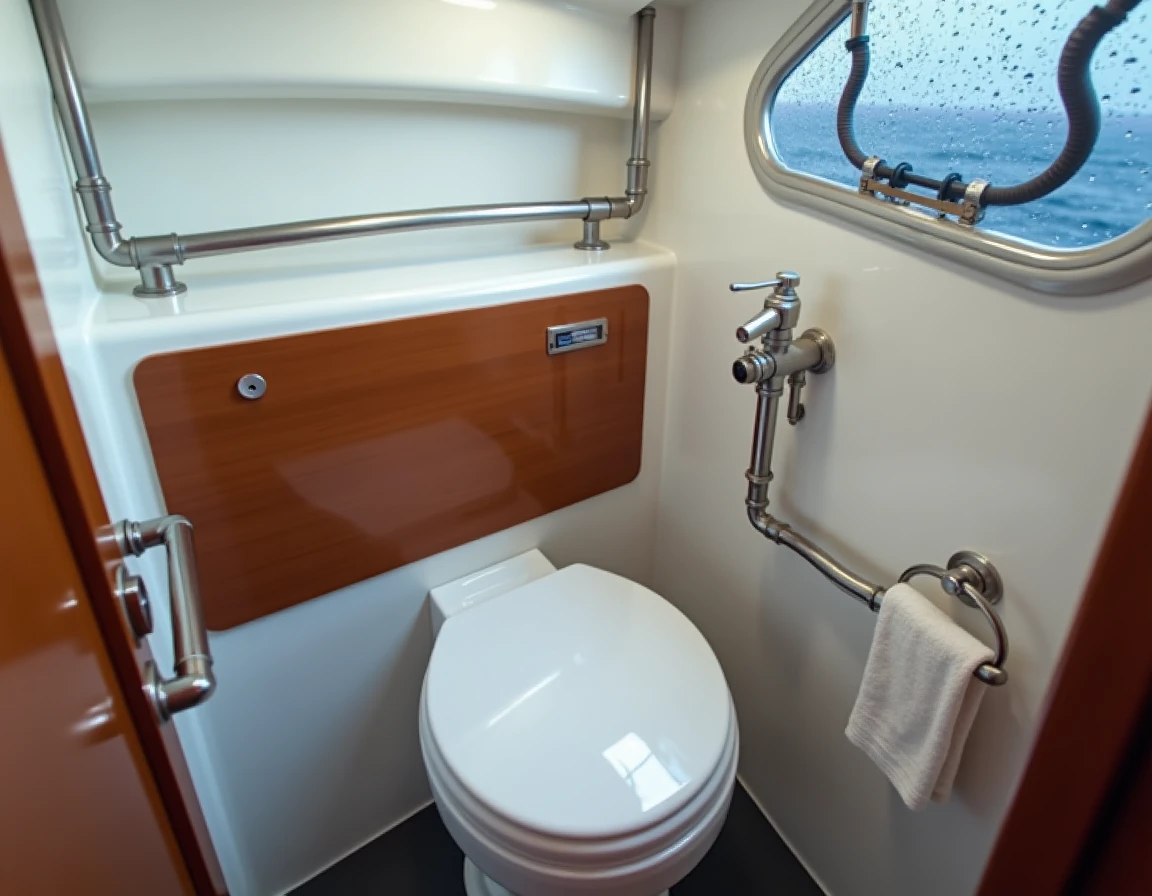
On a boat, flushing the toilet does not produce the same result as in a home connected to the sewer system. The waste goes through a technical process that involves tanks, pumps, and specific regulations depending on the type of vessel and the navigation area.
Black water, gray water: what each flow contains on board
Before understanding the waste’s journey, it is essential to distinguish between two categories of liquid discharges. Black water refers exclusively to the effluents from onboard toilets: feces, urine, and flushing water. Gray water, on the other hand, comes from sinks, showers, and onboard washing machines.
This distinction is not trivial. Regulations treat these two flows very differently. Black water is subject to strict rules for storage and discharge, while gray water is subject to less stringent regulations in most European navigation areas.
To know precisely where boat toilets go, one must examine the complete circuit, from the collection tank to the pumping station at the dock.
Retention tank and MARPOL convention: the technical framework for storage
The international MARPOL convention (International Convention for the Prevention of Pollution from Ships) establishes the fundamental principle: black water cannot be discharged directly into coastal waters. Each vessel must have a retention device or an approved treatment system.
On a sailboat or a pleasure yacht, the most common device is the retention tank (also called a black water tank). Waste is transferred from the toilet bowl, via a manual or electric pump, to this watertight tank installed below the waterline or in a dedicated locker.
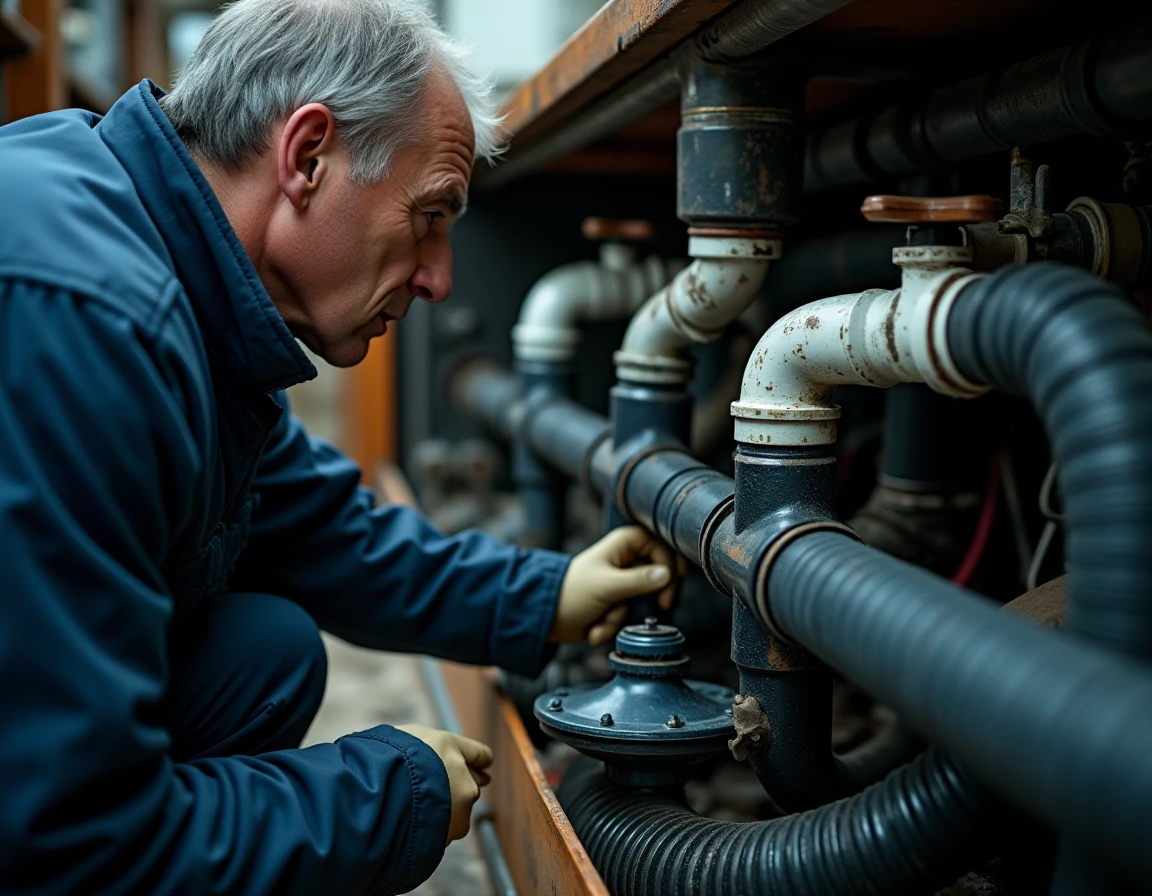
The capacity of these tanks varies according to the size of the boat. On common pleasure craft, it remains modest, necessitating regular pump-outs. The tank accumulates waste until the boater can access a port pumping station.
Pumping station: the mandatory stop at the port
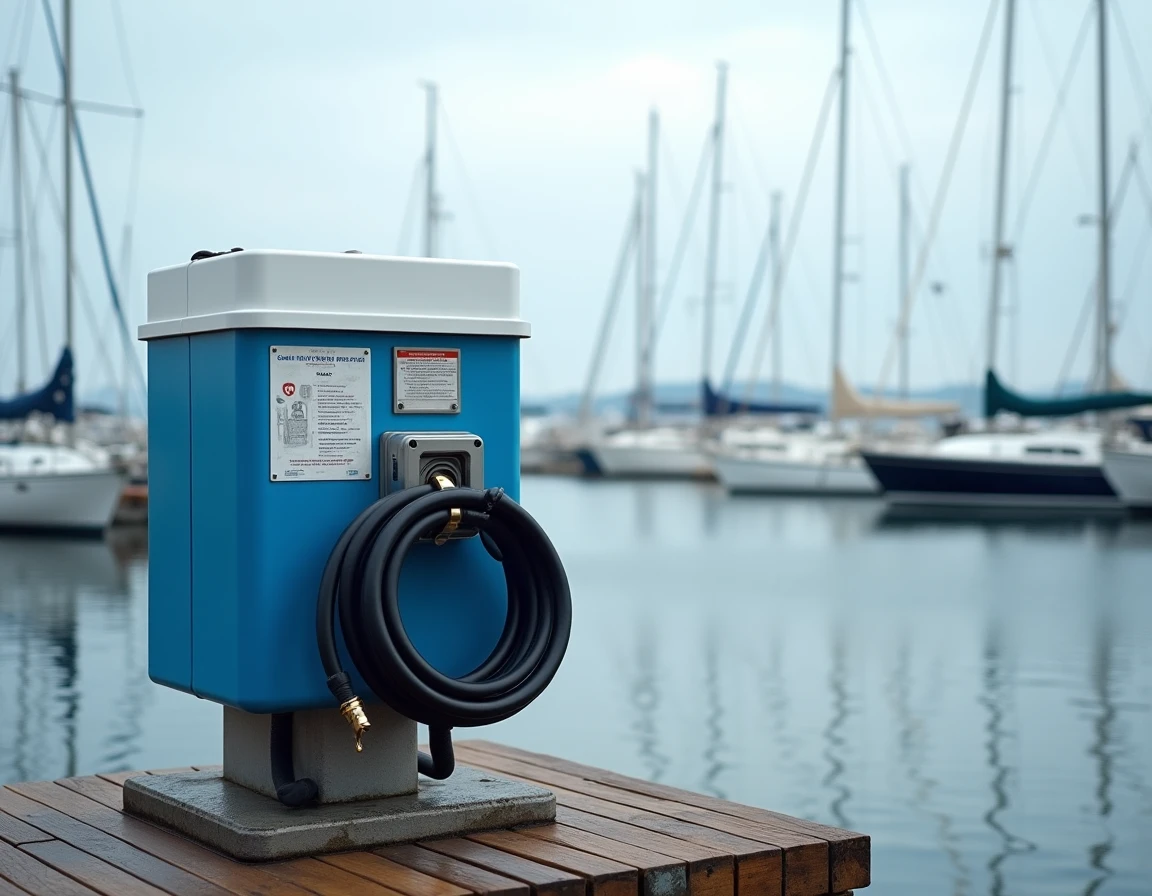
Pumping occurs at dedicated stations, usually located on the docks of marinas. A pumping hose is connected to the boat’s hull fitting, and black water is suctioned into the land-based sewage system.
In recent years, several French ports have structured this operation. The Santa Lucia port in Saint-Raphaël, for example, now imposes time slots during the week and an appointment system for black water pump-outs. This type of organization, which is becoming more common, aims to limit nuisances and ensure proper treatment of effluents.
- The boater makes an appointment with the harbor master’s office for a pumping slot
- The connection is made via a standardized hull fitting linked to the retention tank
- The pumped effluents join the municipal sewage system for treatment at a wastewater treatment plant
- Illegal dumping in port or coastal areas is subject to penalties
Portable toilets and dry toilets with separation: alternatives to the traditional circuit
The fixed retention tank is not the only option. Two alternative technologies significantly change the waste’s journey.
Portable toilets store waste in a removable tank that is manually extracted to be emptied at a collection point on land. Chemical or biological additives reduce odors and facilitate partial decomposition during storage. This system is frequently found on small pleasure craft and canal boats.
The so-called “dry separation toilets” operate on a different principle. They separate liquids from solids at the point of collection, without flushing water. Urine is directed to a separate tank, while solid waste is collected in a container lined with absorbent material. Contrary to popular belief, these devices do not perform composting on board: they limit themselves to drying and separating, which facilitates transport and disposal on land.
Concrete advantages for onboard management
The absence of water in the dry toilet circuit eliminates several classic problems: no black water tank to pump out, no pump that could get blocked, and no odors related to the stagnation of liquid effluents. The volume to be evacuated also decreases, spacing out the trips to the dock.
Cruise ships: waste logistics on an industrial scale
On cruise ships, the waste’s journey reaches a higher level of complexity. The volumes generated by several thousand passengers require onboard treatment stations capable of filtering, disinfecting, and sometimes discharging treated effluents into the sea, in compliance with the areas authorized by MARPOL.
The management of solid waste (household garbage, packaging) follows a parallel circuit. Recent innovations include integrated recycling systems and compacting trash bins capable of significantly reducing waste volume, which decreases the frequency of discharges during port calls.
Local regulations add additional constraints. In Huningue, the current rules stipulate that waste can only be removed from cruise ships when the collection truck is already positioned at the dock, and collection is limited to specific days. This type of arrangement modifies onboard logistics: the crew must plan temporary storage according to the port schedule.
- Black water goes through an onboard treatment station before any authorized discharge
- Solid waste is sorted and compacted onboard to limit the volumes to be unloaded
- Port calls are partly planned around the collection slots imposed by the ports
The waste’s journey in a boat’s toilets thus depends on the type of vessel, the installed sanitation system, and the navigation area. None of these circuits end in the sea, at least not without prior treatment in accordance with international standards. The most visible link for boaters remains the port pumping station, access to which organized by time slots is gradually becoming the norm in French ports.