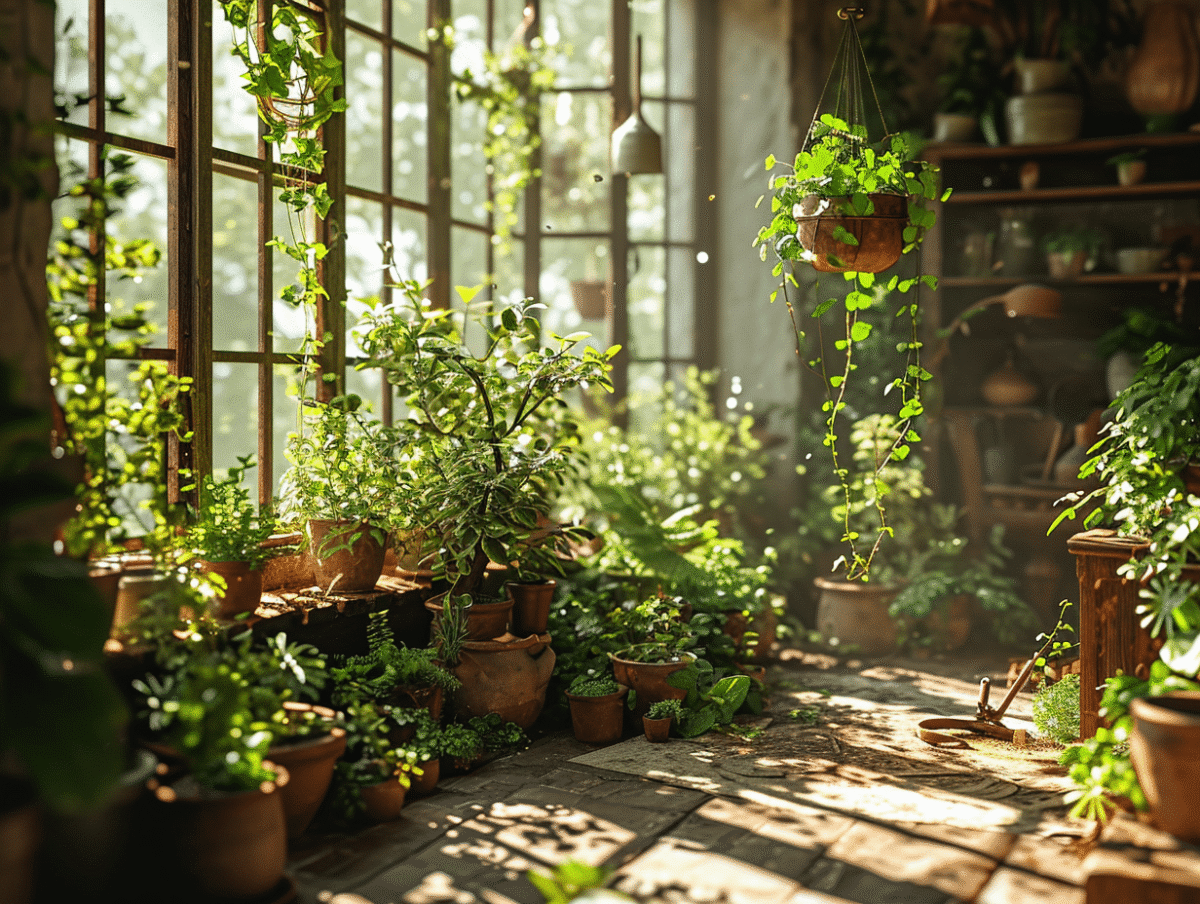
Cultivating an indoor garden can transform a living space and become a source of personal satisfaction. For beginners, the idea of starting can seem daunting, with questions ranging from choosing plants suitable for limited light conditions to managing watering and fertilization. Even without a green thumb, indoor gardening techniques can be mastered with practical advice. Discovering the basics, such as using appropriate pots, maintaining an optimal climate, and learning about pruning, can lead to a rewarding experience and a vibrant, lively indoor space.
The Fundamentals of Indoor Gardening for Beginners
Indoor gardening offers fertile ground for plant lovers, even for residents of the smallest apartments. Growing plants indoors is a form of gardening that requires less work, and there are no weeds to deal with unlike outdoor gardening. To get started, MaMaison.info offers guides tailored for beginners, demystifying the practice and providing tips for successfully starting an indoor vegetable garden.
Indoor plants adapt to a variety of environments and aesthetic preferences. They brighten up a space, purify the air, and for some, can even enhance the kitchen. In this regard, the indoor vegetable garden allows for the cultivation of herbs and vegetables in a small space, providing the satisfaction of consuming one’s own harvests, regardless of seasonal constraints.
Choosing the right plants is essential. For beginners, varieties such as aloe, Opuntia microdasys, or Zamioculcas zamiifolia are among the best plants for beginners due to their ease of cultivation and minimal care requirements. These resilient plants build the confidence of budding gardeners, allowing them to gradually develop their green thumb.
For those who enjoy fresh flavors, the indoor vegetable garden can produce edible plants like cherry tomatoes and chives. These crops provide a local culinary addition, thus enhancing a complete sensory experience: from caring for the soil to the taste pleasure of the harvests. The practice of indoor gardening, both a science and an art, presents itself as an initiatory journey into the heart of the domestic ecosystem.
Choosing and Caring for Your First Indoor Plants
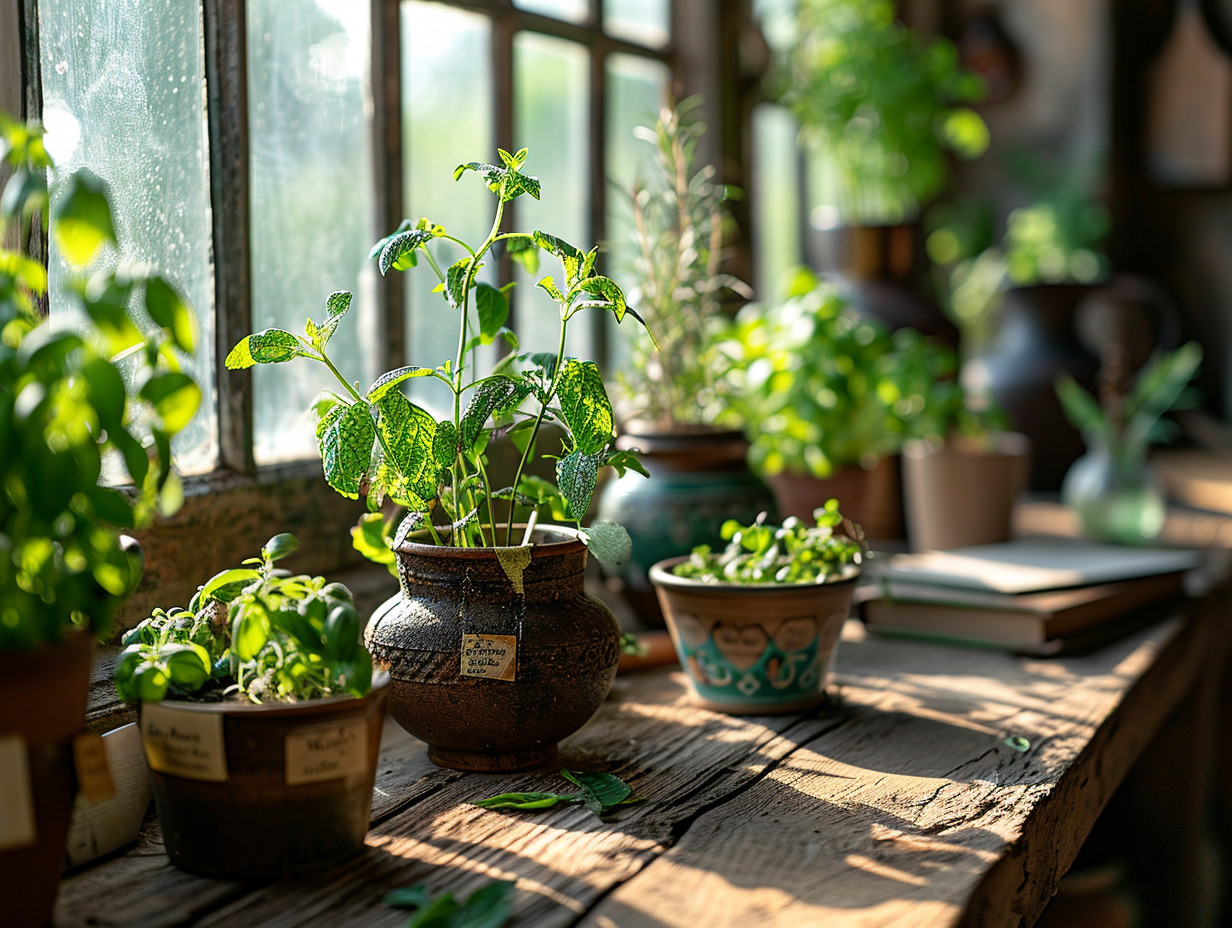
Getting started with indoor gardening revolves around selecting specimens suitable for apartment living. The best plants for beginners such as aloe, Opuntia microdasys, and Zamioculcas zamiifolia stand out for their resilience and low care needs. These pioneering species tolerate variations in conditions and acclimate easily to home environments. Consider these varieties as top companions for novices eager to green their interiors without engaging in complex care.
The light environment is a determining factor for growing plants indoors. Natural light can be supplemented or even replaced by fluorescent lamps or specific grow lights, ensuring that plants receive optimal photosynthesis even in the darkest corners of the home. Watering, on the other hand, must be administered judiciously: too much water drowns the roots and promotes diseases, while prolonged dryness stresses the plant. Read each plant’s needs carefully and adjust your watering routine accordingly.
The ambient air plays a crucial role in the well-being of indoor plants. Good air circulation and an appropriate humidity level prevent the onset of diseases. Remember to regularly ventilate your living spaces to refresh the air. The space allocated for plants should allow them to thrive without constraint, while the addition of fertilizers and nutrients is essential to compensate for losses due to watering and maintain healthy growth. Follow the fertilizer recommendations for each type of plant and incorporate them sparingly to avoid root burns.